The Best Wine Hotels and Exceptional Wine Stays Around the World
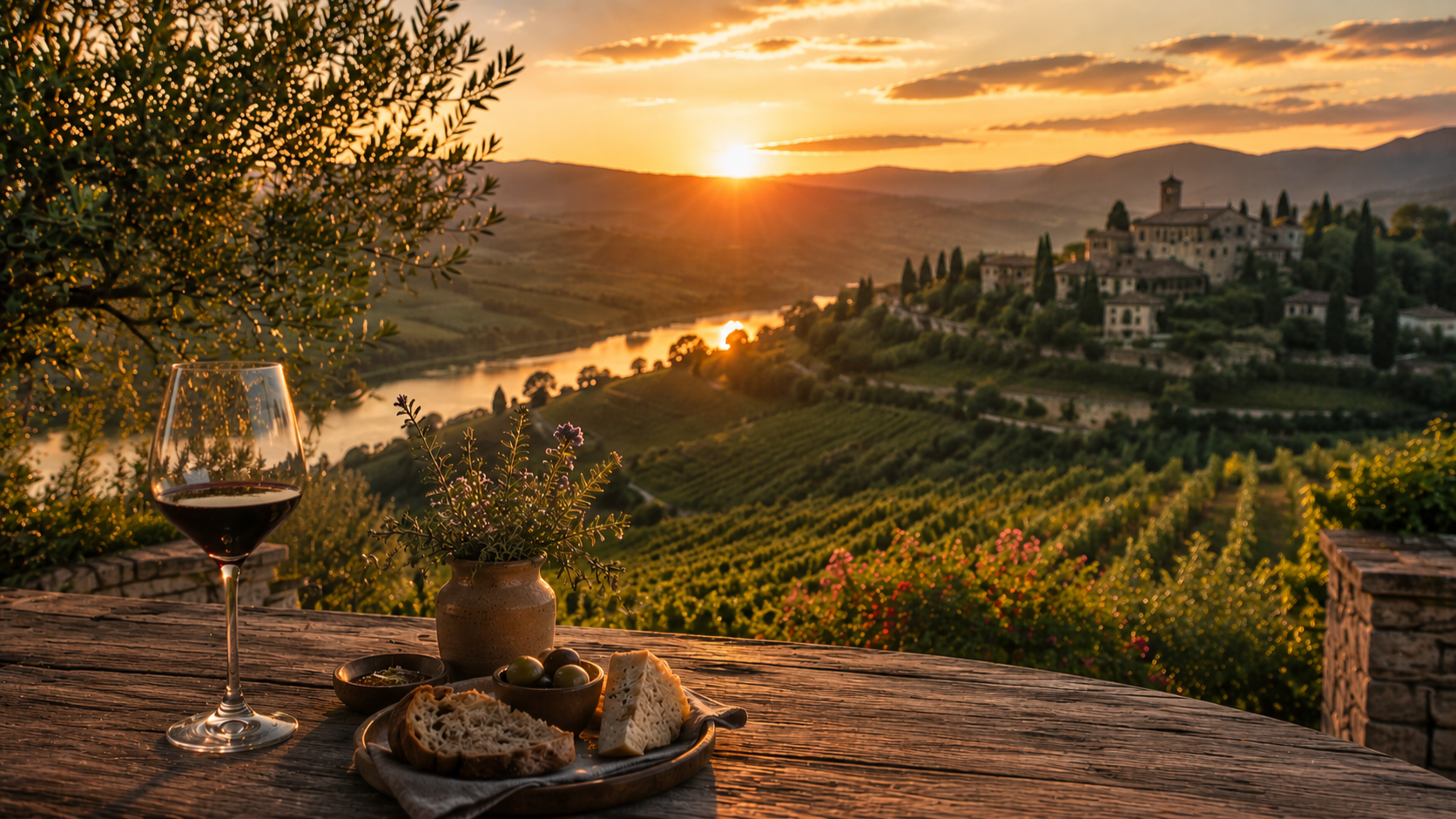
One of the unexpected perks of working as a winemaker is that "research" occasionally means planning a trip to one of the world's great wine regions. My favorite travel memories all involve the same basic ingredients: walking vineyard rows before breakfast, a long tasting menu after a day of winery visits, and a hotel that turns out to matter almost as much as the wine.
I've stayed at a handful of the properties on this list. The rest earned their spot through years in the industry, talking shop with other winemakers, sommeliers, and people who travel for wine the way some people travel for surfing. Every one made the cut because it does more than put you near good vineyards. Iconic setting, serious food, real regional history, a genuine sense of place. That's the bar.
If you're building the wine trip of a lifetime, start here.
Affiliate Disclosure: This post may contain affiliate links. As an Amazon Associate and through other affiliate programs, I earn from qualifying purchases at no additional cost to you.
In This Guide
The best wine hotels around the world
Why each wine region is worth visiting
What makes each stay special
The best time of year to visit
A unique floating wine hotel experience
Explore by Wine Region
A château in Champagne, a vineyard lodge in South Africa, and a resort in the foothills of the Andes aren't selling the same experience, even though they're all "wine hotels." So instead of ranking them, I grouped them by continent. Pick the style of wine travel that appeals to you, whether that's Champagne in Champagne, sunrise over Mendoza's vineyards, or drifting past Riesling vines on the Rhine.
Europe
Europe is where most of the world's influential wine regions were born, from Champagne's chalk to Tuscany's hills to the river valleys of Germany and Portugal. Centuries of winemaking tradition here come paired with some of the best hospitality anywhere.
1. Domaine Les Crayères
Champagne, France
Champagne is the only place on earth where true Champagne can legally be made, and its chalk soils and cool climate are why the wines here age the way they do. Beyond the big houses in Reims and Épernay, a wave of grower-producers has made this one of the more interesting regions to explore right now.
Why Stay Here Les Crayères is a serious luxury destination in its own right, not just a well placed hotel. The château sits minutes from some of Champagne's most famous producers, and the two Michelin star restaurant, Le Parc, makes dinner as memorable as the day's tastings.
I've stayed here, and it lives up to the reputation. The grounds, the service, the meals - it's the kind of stay that elevates the whole trip, not just one night of it. (Im still reminiscing about the fresh Passion Fruit Panna Cotta served for breakfast)
Best for: Bucket list Champagne trips
Highlights
Two Michelin star restaurant
Historic château
Easy access to Reims Champagne houses
Beautiful gardens
Concierge that's genuinely good at winery reservations
Nearby wineries: Veuve Clicquot · Ruinart · Taittinger · Pommery · Louis Roederer
Best time to visit: May through October for weather, early fall for a firsthand look at harvest in one of the busiest sparkling wine regions on earth.
Don't miss: Book Le Parc before you land. It's one of the hardest reservations in Champagne.
2. Les Sources de Caudalie
Bordeaux, France
Bordeaux has been shaping how the world thinks about fine wine for over 2,000 years. The Gironde Estuary splits it into two distinct styles: Cabernet Sauvignon driven wines on the Left Bank, Merlot focused blends on the Right.
Why Stay Here This hotel sits inside the Château Smith Haut Lafitte estate, and wine shows up everywhere, not just as a view. Vineyard rows outside your window, cellar visits, a wine-forward restaurant program, and a spa built around the antioxidant compounds in grape skins and seeds.
It also makes a strong home base for reaching Pessac-Léognan, Médoc, and Saint-Émilion. Spend the day at prestigious châteaux, come back for dinner overlooking the vines.
Best for: Luxury travelers exploring Bordeaux's legendary châteaux
Highlights
Located on the Château Smith Haut Lafitte estate
Michelin starred dining and a serious wine program
Vinotherapy spa
Strong base for both the Left and Right Banks
Nearby wineries: Château Smith Haut Lafitte · Château Haut-Bailly · Château Pape Clément · Château La Mission Haut-Brion · Château Haut-Brion
Best time to visit: Late spring through early fall for weather, September and October for harvest. Winter trims the crowds and still delivers on the châteaux and the food.
Don't miss: Tour Château Smith Haut Lafitte while you're there. Walking from one of Bordeaux's top estates back to your room is not something you get to do often.
3. Six Senses Douro Valley
Douro Valley, Portugal
The Douro earned protected status in 1756, decades ahead of Bordeaux's classification system, making it one of the oldest officially demarcated wine regions in the world. It's best known for Port, but the dry wines coming out of the steep, terraced hillsides above the river have gotten a lot better in the last few decades. The whole valley is UNESCO-listed for good reason.
Why Stay Here This is a restored 19th century manor overlooking the river and the terraces, run with the wellness first sensibility Six Senses is known for globally.
I've stayed here too. Waking up to the terraced vineyards, spending the day at historic quintas, coming back for dinner over the river — it's easy to see why people rank this among the best wine destinations anywhere. The location puts you within reach of most of the valley's producers, and the hotel itself holds its own against them.
Best for: Travelers who want to be immersed in one of the most dramatic wine landscapes on the planet
Highlights
Historic manor on the Douro River
Panoramic vineyard and river views
Strong spa program
Wine list built around local producers
Easy reach of the valley's major quintas
Nearby wineries: Quinta do Vallado · Quinta do Crasto · Quinta do Seixo · Quinta da Pacheca · Quinta do Bomfim
Best time to visit: Spring for green vineyards and mild weather, September for harvest, fall for color.
Don't miss: Take a river cruise. Seeing the terraces from the water is a completely different perspective than from the road.
4. Hotel Marqués de Riscal
Rioja, Spain
Rioja built its reputation on Tempranillo and on aging classifications (Crianza, Reserva, Gran Reserva) that changed how wine drinkers everywhere think about maturation. The whites, made from Viura and other native grapes, are worth seeking out too.
Why Stay Here Frank Gehry designed this one, and the titanium ribbons wrapping the building are instantly recognizable in the wine world. But the architecture doesn't overshadow the point of the trip. The hotel sits on the historic Marqués de Riscal estate, so you can walk from your room straight into winery tours and tastings at one of Rioja's most important producers.
Best for: Wine lovers who care about architecture as much as the glass in front of them
Highlights
Frank Gehry designed hotel
Sits on the Marqués de Riscal estate
Michelin starred dining
Winery tours steps from your room
Strong base for Rioja Alavesa
Nearby wineries: Marqués de Riscal · Bodegas Ysios · Bodegas Baigorri · Bodegas Roda · López de Heredia Viña Tondonia
Best time to visit: May–June and September–October for weather, late September–October for harvest energy.
Don't miss: Watch sunset hit the titanium curves with vineyards behind it, even if you're staying elsewhere in Rioja.
5. Borgo San Felice
Tuscany, Italy
Chianti is Tuscany's historic core, but the region also produces Brunello di Montalcino, Vino Nobile di Montepulciano, and the Super Tuscans. Sangiovese ties it all together, prized for bright acidity and a savory streak that makes it one of the better food wines around.
Why Stay Here This is a restored medieval village, not a resort dropped into wine country. Stone buildings that have stood for centuries now hold guest rooms, restaurants, and an estate winery, all inside Chianti.
Spend mornings in nearby hill towns, afternoons over local wines, evenings walking the vineyards before dinner. This is the pace people picture when they imagine a Tuscan wine trip.
Best for: An authentic stay in the heart of Chianti
Highlights
Restored medieval village surrounded by vineyards
Estate winery producing Chianti Classico and Super Tuscans
Michelin starred Poggio Rosso restaurant
Walking paths through vineyards and olive groves
Central for Tuscany's historic wine villages
Nearby wineries: Castello di Brolio · Castello di Ama · Fèlsina · Castello di Volpaia · Rocca di Montegrossi
Best time to visit: Late April–June and September–October for weather and scenery. Harvest adds energy, fall brings the color.
Don't miss: Walk the village early, before the stone streets fill up and while the vineyards are still catching morning light.
6. Relais San Maurizio
Piedmont, Italy
Piedmont is Nebbiolo country and the birthplace of Barolo and Barbaresco, both known for tannin structure that rewards patience. Barbera, Dolcetto, Moscato d'Asti, and Arneis round things out, and the truffle and hazelnut traditions here make the food side of the trip just as strong as the wine.
Why Stay Here A restored 17th-century monastery in the UNESCO-listed Langhe hills, close enough to Barolo, La Morra, and Alba that you can chase down small, family run producers without much driving.
Best for: World class wine and food without the flash
Highlights
Restored 17th-century monastery
Michelin starred dining
Spa and wellness facilities
Prime location in the Langhe
Easy access to Barolo, Barbaresco, and Alba
Nearby wineries: G.D. Vajra · Ceretto · Vietti · Poderi Aldo Conterno · Renato Ratti
Best time to visit: September–November for harvest and truffle season, spring for lighter crowds and green hills.
Don't miss: Spend an afternoon in the hilltop village of Barolo, then sit down to a Piedmontese dinner paired with local Nebbiolo. This region does its best work at the table.
7. Schloss Lieser
Mosel, Germany
Steep, slate covered hillsides above the Mosel River make this one of the most striking vineyard landscapes anywhere, and the ideal conditions for Riesling, prized here for high acid and a mineral streak that ages remarkably well.
Why Stay Here A restored château on the riverbank, close to some of Germany's top Riesling producers. The Mosel moves slower than most wine regions, so plan on winding river roads, small wine villages, and family estates that have been at this for generations.
Best for: Germany's Riesling country from inside a castle
Highlights
Restored château on the Mosel River
Rooms with vineyard and river views
Regional dining
Central for the Middle Mosel
Historic architecture, modern amenities
Nearby wineries: Weingut Dr. Loosen · Weingut Markus Molitor · Weingut Schloss Lieser · Weingut Fritz Haag · Weingut S.A. Prüm
Best time to visit: Late spring–early fall for touring by car, bike, or boat. September–October for harvest and color.
Don't miss: Bernkastel-Kues, a short drive away, for half-timbered streets and a riverside glass of Riesling.
Africa
South Africa's Cape Winelands pair Cape Dutch architecture and mountain scenery with one of the strongest food scenes in wine travel, centered on Stellenbosch, just outside Cape Town.
8. Delaire Graff Lodges & Spa
Stellenbosch, South Africa
Stellenbosch is South Africa's oldest wine region and does excellent work with Cabernet Sauvignon, Chenin Blanc, Syrah, and Pinotage, the country's signature grape. Dramatic mountains and centuries-old architecture make it one of the more visually striking regions to visit.
Why Stay Here Perched on Helshoogte Pass, every suite here looks out over vines toward the mountains. It feels more like a private estate than a resort. There's an acclaimed winery on site, strong restaurants, gardens, and a real collection of contemporary African art, close enough to Stellenbosch's other top producers that you won't be stuck on property the whole trip (even though you could be).
Best for: World-class wine, food, and scenery in one stay
Highlights
Vineyard lodges with mountain views
Estate winery and tastings
Award winning restaurants
Contemporary African art collection
Easy reach of Stellenbosch and Franschhoek
Nearby wineries: Tokara · Rust en Vrede · Kanonkop · Waterford Estate · Jordan Wine Estate
Best time to visit: February–April for warm weather and Southern Hemisphere harvest, September–November for wildflowers and fewer crowds.
Don't miss: Lunch on the terrace before an afternoon tasting. The views over Stellenbosch are some of the best in South African wine country.
South America
South America's high elevation vineyards and mountain backdrops make for wines with real intensity and a pace of travel that's easy to slow down into.
9. The Vines Resort & Spa
Mendoza, Argentina
Mendoza is Malbec country, though the region also turns out strong Cabernet Sauvignon, Cabernet Franc, Chardonnay, and increasingly good Rhône varieties, helped along by high elevation and snowmelt irrigation. The Andes backdrop doesn't hurt either.
Why Stay Here Instead of overlooking vineyards, you stay inside them, with the Andes rising behind the vines. It's in the Uco Valley, so you're close to most of Mendoza's top producers, with strong dining and enough outdoor activity to fill the days between tastings.
Best for: World class Malbec with a mountain backdrop
Highlights
Private villas among the vines
Andes views
Located in the Uco Valley
Strong Argentine restaurant program
Easy access to Mendoza's top wineries
Nearby wineries: Bodega Zuccardi Valle de Uco · Bodega Salentein · Domaine Bousquet · Andeluna Cellars · SuperUco Winery
Best time to visit: March–April for harvest, October–November for spring vineyards and thinner crowds.
Don't miss: An afternoon in the Uco Valley, timed to end with sunset over the Andes and a glass of Malbec.
Australia
Mornington Peninsula pairs modern architecture with a relaxed pace and some of Australia's best cool-climate Pinot Noir.
10. Jackalope Hotel
Mornington Peninsula, Australia
An hour past Melbourne, the maritime influence off Port Phillip Bay makes Mornington Peninsula ideal for elegant Pinot Noir and Chardonnay, with smaller plantings of Pinot Gris and Syrah. Coastal scenery and strong restaurants round it out.
Why Stay Here Jackalope proves a wine hotel doesn't need centuries of history to make an impression. Built beside Willow Creek Vineyard, the architecture is bold and modern, more art gallery than traditional resort. It's a good base for the peninsula's small-production Pinot Noir and Chardonnay producers, and the on-site restaurant, Doot Doot Doot, is worth staying in for.
Best for: A modern, design forward wine stay
Highlights
Contemporary architecture and interior design
Located on the Willow Creek Vineyard estate
Dining at Doot Doot Doot
Infinity pool over the vineyards
Easy access to the peninsula's boutique wineries
Nearby wineries: Montalto · Ten Minutes by Tractor · Polperro Winery · Paringa Estate · Port Phillip Estate
Best time to visit: December–March for warm weather and long evenings, March for harvest, fall for color and quieter tasting rooms.
Don't miss: A long lunch at one of the peninsula's winery restaurants before heading back for the evening.
North America
Napa Valley developed its identity through innovation, hospitality, and food as much as through the wine itself, and it remains one of the most concentrated wine destinations anywhere.
11. Auberge du Soleil
Rutherford, Napa Valley, California
Cabernet Sauvignon is Napa's calling card, but the valley also does well with Chardonnay, Sauvignon Blanc, Merlot, and a growing sparkling wine scene. Few regions pack this many acclaimed producers and this much varietal range into so small a footprint.
Why Stay Here Set high above Rutherford, Auberge looks out over the whole valley. It's elegant without tipping into stuffy, and it encourages you to actually slow down instead of rushing between tastings.
I've spent time here too. Mornings on the private terrace, afternoons at nearby wineries, sunset over the vineyards. It's about as good a distillation of Napa as you'll find.
Best for: Napa Valley at its most refined
Highlights
Panoramic valley views
Michelin starred dining and a serious wine program
Private terraces
Award winning spa and grounds
Central for Napa's top wineries
Nearby wineries: Inglenook · Staglin Family Vineyard · Grgich Hills Estate · Quintessa · Far Niente Winery
Best time to visit: Late spring–early fall for outdoor tastings, September–October for harvest, winter for fewer crowds and mustard blooms between the vines.
Don't miss: Dinner on the terrace at sunset, at least once. It's the property's signature move for a reason.
Local Winemaker's Tip: If you need lunch between tastings, get the French dip at Rutherford Grill. It's become a running tradition for a lot of us who work in Napa. Sit at the bar and there's a decent chance you'll end up next to a winemaker or vineyard manager. Some of the best conversations in the industry happen there, completely by accident.
A Floating Wine Journey
Forget what "cruise" usually conjures. This isn't a floating mall with a rock wall and 4,000 strangers. AmaWaterways' river ships carry under 200 passengers, fit through locks the size of a highway lane, and dock walking distance from town centers instead of a shuttle bus away. Some vineyards are simply better seen from the water, and a small ship river cruise through Europe's wine country puts vineyard hillsides, medieval villages, and castles right outside your cabin, with a new town to wake up to most mornings.
12. AmaWaterways Wine Cruises
Multiple regions, Europe
Riesling vineyards climb steep hillsides above the Rhine and Moselle. Touriga Nacional and Tinta Roriz come off terraced quintas along the Douro. Cabernet and Merlot country lines the Gironde around Bordeaux. Wine has shaped the landscape and river towns in all of them for centuries, and seeing it by boat gives you a perspective you don't get from the road — on a ship this size, you're never more than a deck away from that view.
Why Stay Here This isn't a hotel, which is exactly the point and why it gets its own spot on the list, outside the European section. AmaWaterways runs dedicated Wine Cruise departures across several regions rather than just one river: Bordeaux, Burgundy along the Saône, the Douro Valley, Paris to Normandy along the Seine, and a combined Rhine & Moselle route through Germany, Luxembourg, and France. Each one is hosted by a winemaker, winery owner, or sommelier, so you get onboard tastings and Q&As instead of just a wine list. You still unpack once, but wake up somewhere new most mornings, sailing past castle topped hills or terraced vineyards on a ship small enough to feel like a floating boutique hotel rather than a cruise line. Shore excursions run to actual estates and quintas, not generic port stops, so the journey itself becomes part of the trip rather than transport between destinations.
Best for: Covering a wine region in depth, or several, without changing hotels, and without the mega-ship crowds
Highlights
Small-ship luxury, generally well under 200 passengers
Dedicated Wine Cruise departures hosted by a winemaker or sommelier
Regional choices: Rhine & Moselle, Bordeaux, Burgundy, Douro, Paris–Normandy
Estate and quinta excursions built into the itinerary
Unpack once
Don't miss: Book one of the dedicated Wine Cruises hosted by a guest winemaker or sommelier instead of a standard Rhine itinerary.
FAQ
What is the best wine hotel in the world?
There's no single best wine hotel, but Domaine Les Crayères in Champagne and Six Senses Douro Valley in Portugal are the two that most consistently top industry lists, and both are properties I've stayed at myself. Les Crayères wins on food and access to the big Champagne houses. Six Senses wins on setting, with terraced vineyards running straight to the Douro River. The right pick depends on whether you want French refinement or Portuguese scenery.
Which wine region is best for a first wine vacation?
Napa Valley is the easiest first wine trip for English-speaking travelers. Wineries sit close together, tasting rooms run on predictable hours and mostly take reservations online, and you don't need a second language to book a table or a tour. Tuscany is the close second if you want history and food alongside the wine, though distances between towns run longer and Italian helps outside the main tourist spots.
When is harvest season in wine country?
Harvest timing depends on hemisphere. In the Northern Hemisphere (France, Italy, Spain, Germany, Portugal, Napa), harvest runs late August through October, with September the most reliable window across most regions. In the Southern Hemisphere (Mendoza, South Africa), it falls February through April. Sparkling wine regions like Champagne often pick earlier than still wine regions nearby, since grapes for sparkling wine come off the vine at lower sugar and higher acid.
Are vineyard hotels worth the cost?
If wine access is the priority, yes. Staying on or beside an estate gets you tastings, cellar tours, and winemaker time you'd otherwise have to book separately, and often can't get at all as a walk-in, especially at smaller producers that don't run public tasting rooms. If you mainly want a nice place to sleep between winery visits by car, a well-located non-vineyard hotel does the job for less money. The premium buys proximity and access, not just the view.
Which wine regions are easiest to visit without renting a car?
Champagne is the best for skipping a rental outright. Reims and Épernay are walkable and well connected by train from Paris, and several Champagne houses are reachable on foot or by short taxi. A river cruise solves the car problem for several other regions at once: AmaWaterways runs wine-focused departures through the Rhine and Moselle, Bordeaux, Burgundy, the Douro, the Danube, and the Seine to Normandy, so you get vineyard access without ever driving. Napa, Mendoza, and most of Tuscany still require a car or a private driver, since the wineries are spread out and public transit doesn't reach most of them.