Single Zone vs Dual Zone Wine Fridge: What You Actually Need
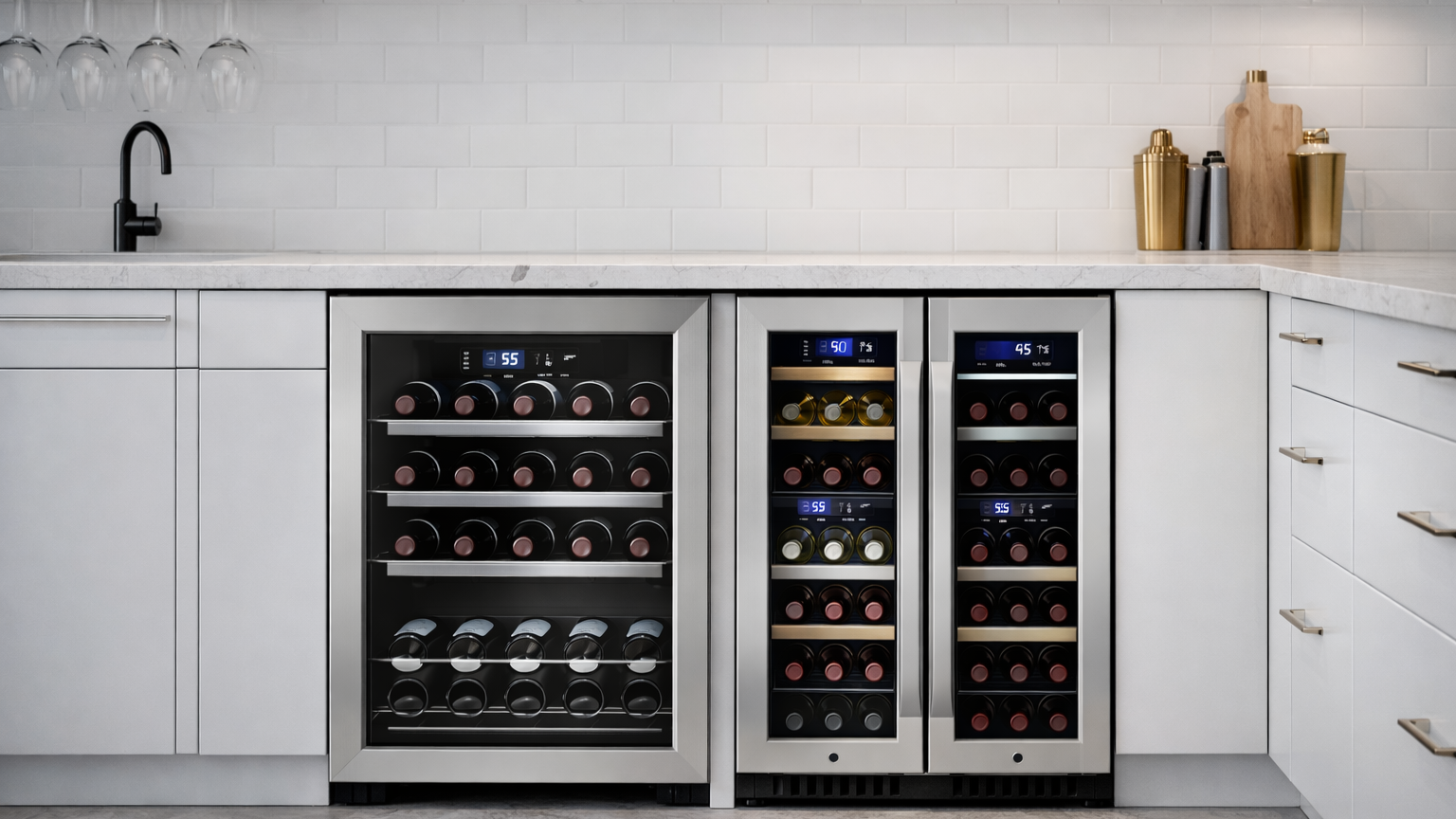
Wine refrigerators are one of the easiest ways to protect your bottles from heat, light, and temperature swings. But once you start shopping, you’ll quickly notice most models fall into two categories: single zone or dual zone.
Understanding the difference is simple once you know how wine is actually stored and served. In many cases, the choice comes down to how you drink wine at home rather than how much wine you own.
Affiliate Disclosure: This post may contain affiliate links. As an Amazon Associate and through other affiliate programs, I earn from qualifying purchases at no additional cost to you.
In This Guide
• What a single zone wine fridge is
• What a dual zone wine fridge is
• When each option makes sense
• A side by side comparison
• Recommended wine fridge examples
What Is a Single Zone Wine Fridge
A single zone wine fridge keeps the entire interior at one consistent temperature.
That means every bottle inside the fridge experiences the same climate. These fridges are designed primarily for storage and aging, rather than serving multiple wine styles at different temperatures.
Single zone models are common in:
• built in wine fridges
• small countertop units
• large aging cellars
Ideal For
• collecting mostly red wine
• collecting mostly white wine
• long term storage
• wine collectors who prefer one stable environment
From a winemaking perspective, wine ages best when temperature stays consistent. A single zone fridge excels at maintaining that stability.
Advantages
• simpler cooling system
• slightly lower energy use
• often lower cost
• ideal for aging collections
Limitations
• cannot store wines at different serving temperatures
• whites and reds may need to be adjusted before serving
Single Zone Example: Wine Enthusiast 24-Bottle Wine Cooler
A simple single zone fridge designed for consistent wine storage.
Quick specs
• Capacity: 24 bottles
• Cooling type: Compressor
• Temperature range: 41–64°F
• Best for: Single temperature wine collections
If you're looking for specific models, see our guide to the best wine fridge for home use, which covers reliable options for different budgets and collection sizes.
What Is a Dual Zone Wine Fridge
A dual zone wine fridge contains two independently controlled temperature compartments.
Each section can be set to a different temperature, which allows you to store wines closer to their ideal serving range.
Typically:
Upper zone
• white wine
• rosé
• sparkling
Lower zone
• red wine
Ideal For
• mixed wine collections
• people who drink both reds and whites regularly
• entertaining or hosting
• keeping wines ready to serve
Dual zone units are extremely popular in home kitchens because they eliminate the need to move bottles in and out of the refrigerator before serving.
Advantages
• two temperature settings
• ready to serve wines
• flexible storage
Limitations
• slightly higher cost
• slightly more complex cooling system
Dual Zone Example: Wine Enthusiast 32-Bottle Dual Zone MAX
A compact dual zone fridge designed to store red and white wines at different temperatures.
Quick specs
• Capacity: 24 bottles
• Two independent temperature zones
• Compressor cooling
• Best for: Mixed wine collections
For kitchens or integrated cabinetry, our guide to the best built-in wine fridges for modern kitchens covers several dual-zone options designed for under-counter installation.
Single Zone vs Dual Zone Comparison
| Feature | Single Zone Wine Fridge | Dual Zone Wine Fridge |
|---|---|---|
| Temperature Control | One consistent temperature | Two independent zones |
| Best For | Single wine style collections | Mixed wine collections |
| Energy Use | Slightly lower | Slightly higher |
| Typical Price | Lower | Higher |
| Serving Flexibility | Limited | High |
| Best Use Case | Aging and storage | Ready to drink wine storage |
Which One Should You Choose
If your goal is long term wine storage, a single zone fridge is usually the better choice. One stable temperature is ideal for protecting bottles over time.
If your goal is keeping wines ready to serve, a dual zone fridge makes life easier. You can keep whites chilled while reds stay closer to their ideal serving temperature.
Many home wine drinkers prefer dual zone models simply because they are more flexible for everyday use.
Quick Tip: The 20 Minute Rule
If you don’t have a dual zone wine fridge, it’s still very easy to bring wine to the right serving temperature.
A simple rule many wine professionals use is the 20 minute rule.
• Take white wine out of the fridge about 20 minutes before serving
• Put red wine in the refrigerator for about 20 minutes before serving
This small adjustment brings most wines very close to their ideal serving temperature.
Wine that is too cold can mute aromas and flavor, while wine that is too warm can feel heavy or alcoholic. A short temperature adjustment helps the wine show its balance.
For most casual wine drinking at home, this simple trick works perfectly.
What Temperature Should Wine Be Stored and Served?
Wine should ideally be stored at about 55°F (13°C) with minimal temperature fluctuations. This temperature slows aging while protecting aroma, structure, and freshness. Most modern wine fridges are designed to maintain this range because it works well for both red and white wines during long-term storage.
Wine storage and serving temperatures are often confused. The good news is they are easier to manage than most people think.
Serving temperature is a little different. Different styles of wine tend to show their aromas and balance best at slightly different temperatures.
Typical Wine Serving Temperatures
| Wine Style | Ideal Serving Temperature |
|---|---|
| Sparkling Wine | 38–45°F |
| Light White Wines (Sauvignon Blanc, Pinot Grigio) | 45–50°F |
| Full Bodied White Wines (Chardonnay) | 50–55°F |
| Light Red Wines (Pinot Noir, Gamay) | 55–60°F |
| Full Bodied Red Wines (Cabernet Sauvignon, Syrah) | 60–65°F |
Most homes are warmer than the traditional “room temperature” wine guidelines you may have heard. In practice, many red wines taste better slightly cooler than typical indoor temperatures.
That is why the 20 minute rule works so well. A quick adjustment in or out of the refrigerator usually brings wine close to its ideal serving temperature without needing a dual zone fridge.
If you don't currently own a wine fridge, our guide on how to store wine without a wine fridge explains how to protect bottles using common household spaces.
FAQ
Do I need a dual zone fridge for a small collection?
Not necessarily. If you mostly drink one style of wine, a single zone fridge works perfectly.
Can red and white wine be stored at the same temperature?
Yes. Long term storage temperature for most wines is similar. Differences mainly matter when serving.
Are dual zone wine fridges louder?
Not usually. Most modern compressor wine fridges are very quiet regardless of zone type.
What temperature should wine be stored at?
Most wine stores best around 55°F with minimal temperature swings.