Common Wine Questions Beginners Are Too Embarrassed to Ask
Wine culture can feel intimidating fast.
Sometimes it is the terminology. Sometimes it is restaurant etiquette. Sometimes it is the quiet feeling that everyone else somehow understands wine and you missed the memo.
The reality is much simpler. Most of the questions people feel embarrassed to ask about wine are extremely common.
In fact, many of them are the exact things people quietly Google after their first few wine experiences.
This guide answers those questions in plain English and explains the why behind them so wine starts making more sense.
Affiliate Disclosure: This post may contain affiliate links. As an Amazon Associate and through other affiliate programs, I earn from qualifying purchases at no additional cost to you.
In This Guide
• Do winemakers add flavors to wine
• Why fruity wines can still taste dry
• Why some wines feel smooth while others feel harsh
• Why wines from the same grape taste different
• Why people swirl wine
• How much wine you should pour in a glass
• Why wine glasses have stems
• Why wine sometimes tastes better after sitting
• Why wine bottles are different shapes
• Why some wines stain teeth more than others
• Whether it is wrong to put ice in wine
• Whether you are supposed to finish a bottle after opening it
Common Wine Basics Explained
Do Winemakers Add the Flavors Listed in Tasting Notes?
No. Those flavors are not ingredients.
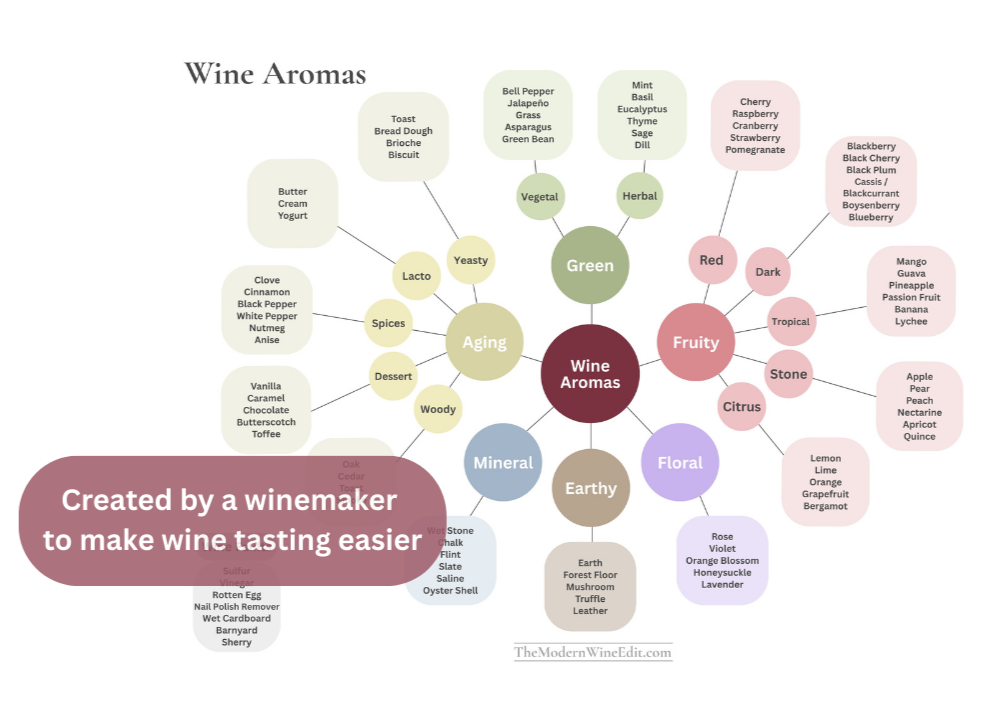
When a wine description mentions cherry, vanilla, peach, chocolate, or pepper, those aromas were not added to the wine. They develop naturally during grape growing, fermentation, and aging.
Think of it like baking bread. Bakers do not add a “fresh bread smell.” That aroma develops naturally when ingredients interact with heat.
Wine works the same way.
Grapes contain hundreds of natural aromatic compounds. During fermentation, yeast converts sugar into alcohol and produces additional aroma molecules. Aging in oak barrels or bottles can introduce even more.
For example:
• Berry aromas in red wine come from compounds in grape skins
• Vanilla and baking spice notes often come from oak aging in barrels
• Pepper aromas in some wines come from a compound called rotundone
• Citrus aromas in white wines come from natural grape aromatics
Tasting notes are simply comparisons. When someone says a wine smells like blackberry or vanilla, they are describing what the aroma reminds them of.
The wine itself is still just fermented grapes.
A simple way to train your palate is by using our Wine Aroma Chart, which breaks down the most common aromas found in wine.
Why Does Wine Smell Fruity but Taste Dry?
Fruitiness and sweetness are not the same thing.
When people say a wine smells fruity, they mean the aromas remind them of fruits like peach, cherry, or blackberry.
Sweetness refers to actual sugar remaining in the wine.
A wine can smell like ripe peaches and still be completely dry because the sugar was fermented into alcohol.
This is why wines like Riesling sometimes smell sweet even when they technically contain very little residual sugar.
Once you separate fruitiness from sweetness, many wine descriptions start to make more sense.
Why Do Some Wines Feel Smooth While Others Feel Harsh?
When people describe wine as “smooth” or “harsh,” they are usually reacting to how several elements interact.
The main contributors are:
Tannins – compounds from grape skins and oak that create a drying texture
Acidity – the freshness and brightness of the wine
Alcohol – which can create warmth or weight
Fruit ripeness – which influences how round or sharp a wine feels
When these elements are balanced, the wine tends to feel smooth and integrated. When one stands out too strongly, the wine can feel aggressive or rough.
This is why softer styles like Merlot or Pinot Noir often feel smoother than more structured wines like young Cabernet Sauvignon.
If some of these terms are new, our guide to common wine terms explains the vocabulary used to describe how wine tastes and feels.
Why Do Wines From the Same Grape Taste So Different?
Where grapes grow has a huge influence on the final wine.
A Cabernet Sauvignon from California can taste very different from one grown in Bordeaux or Chile, even though the grape variety is the same.
Several things contribute to this difference:
Climate
Warmer climates produce riper, fuller wines. Cooler climates often produce fresher, more structured wines.
Soil and vineyard location
Different soils affect water drainage and vine growth.
Winemaking decisions
Oak aging, fermentation choices, and blending decisions all shape the final character of the wine.
This is why wine lovers often talk about regions as much as grape varieties.
What Happens When You Taste Wine
Why Do People Swirl Wine?
Swirling helps release aromas.
When wine sits still in the glass, only a small surface area is exposed to air. Swirling spreads the wine around the bowl, increasing that surface area and allowing aromatic compounds to evaporate into the air.
Since much of what we perceive as flavor actually comes from smell, swirling helps the wine reveal its aromas.
It may look like a wine ritual, but it is simply helping the wine show what is inside the glass.
How Much Wine Should You Pour in a Glass?
Most wine glasses are designed to be filled only about one third full.
That might seem low, especially if the glass is large, but there are good reasons for it.
First, wine needs space for aromas to collect in the bowl of the glass. When the glass is too full, those aromas cannot circulate properly.
Second, leaving space allows you to swirl the wine without spilling it.
A standard restaurant serving is about 5 ounces, which usually fills the glass to around the widest part of the bowl.
The glass may look oversized, but that extra space is there to help the wine breathe and release aromas.
Why Do Wine Glasses Have Stems?
Stems help control temperature and aroma.
Holding the bowl warms the wine quickly by body heat, especially for whites and sparkling wines that are meant to stay cool.
The stem also keeps fingerprints off the bowl, but that is purely an aesthetic concern.
You can absolutely hold the bowl if you prefer. The stem simply helps keep the wine at a more stable temperature.
Why Does Wine Sometimes Taste Better After Sitting for a While?
Oxygen changes wine.
When a wine first opens, especially a younger red, some aromas may feel tight or muted. Exposure to a little air allows those aromas to open up.
This is why people sometimes decant wine, open the bottle an hour before serving, or simply let it sit in the glass for a few minutes.
Too much oxygen will eventually make wine fade, but a small amount often helps it show its best qualities.
Common Wine Myths and Everyday Questions
Why Are Wine Bottles Different Shapes?
Bottle shapes usually reflect regional traditions rather than quality.
For example:
• Bordeaux bottles have high shoulders
• Burgundy bottles have gently sloping shoulders
• Alsace bottles are tall and narrow
These shapes developed historically in different regions and eventually became associated with certain wine styles.
Today they mostly act as visual cues rather than indicators of quality.
Why Do Some Wines Stain Your Teeth More Than Others?
Red wine stains teeth because of three factors working together: pigment, acidity, and tannins.
Red wines contain natural pigments from grape skins that give the wine its color.
Wine is also acidic, which temporarily softens the surface of tooth enamel and makes it easier for pigments to stick.
Tannins help those pigments bind to the enamel.
Darker wines like Cabernet Sauvignon or Syrah tend to stain more than lighter reds like Pinot Noir.
The staining is temporary and usually fades naturally as saliva rinses the mouth. If you want a quicker fix, wine stain remover wipes are a simple, portable way to lift surface stains after a glass of red.
Is It Wrong to Put Ice in Wine?
Not really, but there are better ways to achieve the same goal.
Ice will chill the wine quickly, though it also dilutes the wine as it melts. Traditional wine service avoids adding ice because it changes the concentration and balance of the wine.
That said, if a wine is too warm or you simply prefer it colder, a few cubes are not a crime. The goal is enjoying the glass in front of you.
A better long term solution is serving wine at the proper temperature. Following a simple wine serving temperature guide or using reusable whiskey stones (inexpensive, small cubes stored in the freezer) can chill a glass without watering it down.
Most wine “rules” exist to help wine taste its best, not to make people feel judged.
Am I Supposed to Finish the Bottle After Opening It?
No.
Many people assume wine needs to be finished the same night it is opened, but most bottles stay enjoyable for several days when stored properly.
Once a bottle is opened, oxygen slowly begins to change the wine. This process is called oxidation.
To slow it down:
• recork the bottle
• store it in the refrigerator
• keep it away from heat and light
Most wines remain enjoyable for about three days after opening.
Sparkling wines are the main exception because their bubbles escape quickly.
For a deeper guide, see The Best Wine Preservation Systems That Actually Work.
What If I Don’t Taste All the Things Other People Do?
That is completely normal.
Wine tasting notes sometimes make it sound like everyone else is detecting twenty different aromas while you are thinking, “It smells like wine.”
In reality, most people are simply describing what the aroma reminds them of.
One person may notice cherry while another thinks of plum. Both can be valid.
Experience does help over time. The more wines you try, the more reference points your brain builds.
But none of that is required to enjoy wine.
If you smell the glass and think it smells good, or take a sip and think you like it, that is already enough.
Wine is not a test you pass. It is simply something to enjoy.