Best Places to Stay in Napa Valley for a Wine Tasting Trip
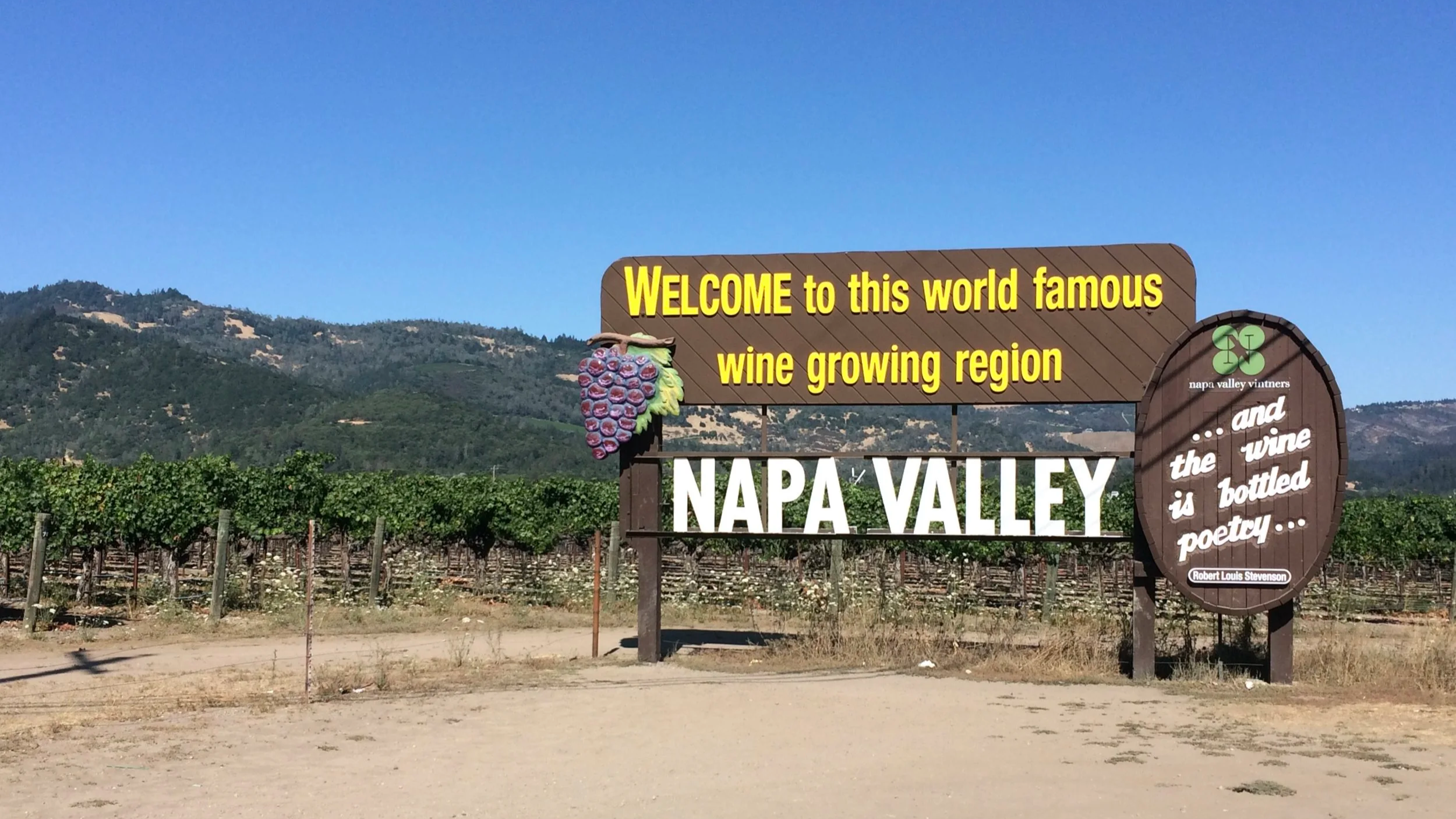
As a Napa Valley Winemaker, I get some version of this question every time a friend books a Napa trip: "Where should we stay?"
They usually mean it as a hotel question. It's actually a geography question, and getting it wrong is the single most common reason people leave Napa Valley feeling like they spent more time in the car than in a glass of wine.
Napa Valley isn't one place. It's a 30-mile string of small, individual towns, and where you sleep determines how much of your trip you spend driving between appointments instead of sitting in a tasting room. A resort in Calistoga is glorious if your appointments are clustered up north. It's a mistake if you're mostly tasting around Yountville and Stags Leap.
This guide breaks down the four towns worth considering, the hotels that actually earn their price tag in each one, and how to match your home base to the trip you're actually planning, not the one on the postcard.
Affiliate Disclosure: This post may contain affiliate links. As an Amazon Associate and through other affiliate programs, I earn from qualifying purchases at no additional cost to you.
Where to Stay in Napa Valley, at a Glance
| Where You're Mostly Tasting | Best Home Base | Why |
|---|---|---|
| Calistoga + Northern St. Helena | Calistoga or St. Helena | Keeps northern-valley tasting days compact and reduces unnecessary driving. |
| St. Helena + Rutherford | St. Helena | Excellent access to both areas while giving you restaurants and a walkable town at night. |
| Oakville + Rutherford + Yountville | St. Helena or Yountville | Both put you within easy reach of the central Napa Valley wine corridor. |
| Yountville + Stags Leap District | Yountville | A convenient central base with exceptional walkable dining after your tasting day. |
| Carneros + Southern Napa Valley | Napa | Keeps you closer to southern wineries while giving you the largest selection of evening activities. |
| Wineries throughout Napa Valley | St. Helena or Yountville | A relatively central location makes it easier to divide the valley into separate tasting days. |
How Napa Valley Is Actually Laid Out
The mistake most first-timers make is treating "Napa" like it's one town. It isn't. The City of Napa sits at the southern end of the valley. From there, the wine corridor runs north through Yountville, Oakville, Rutherford, St. Helena, and finally Calistoga.
Thirty miles doesn't sound like much until you're trying to do it twice a day between tasting appointments. Highway 29 and the Silverado Trail carry most of the traffic, and both can crawl on a busy Saturday or during harvest, when trucks are hauling fruit at the same time you're trying to make a 2 p.m. reservation.
Winery visits aren't quick stops anymore either. A seated tasting or a vineyard tour can easily run 90 minutes or more. Add lunch and travel time, and an itinerary that looked reasonable on a map gets tight fast.
My advice: pick your wineries and your hotel together. Don't book a dreamy resort in Calistoga and then wonder why your Stags Leap appointment feels like a road trip.
How to Actually Choose
Before you compare thread counts and pool photos, look at your itinerary.
Start with the wineries you actually want to visit. Put them on a map. If most of your list clusters around Oakville, Rutherford, and St. Helena, that town (or Yountville) beats Downtown Napa or Calistoga before you've looked at a single hotel photo. If your list is scattered, pick a central base and split your visits geographically by day instead of chasing appointments across the valley.
Think about where you'll eat. This sounds secondary until 5:30 p.m. after your third tasting. Being able to walk to dinner rather than get back in a car is one of the most underrated luxuries in Napa Valley.
Decide if you want a resort or a base camp. If you're out the door by 9:30 and back after dinner, you're not going to use a spa, three pools, and a fitness program. Save the money. If the resort itself is part of the plan, book somewhere that rewards you for staying on property, like Solage or the Four Seasons.
Think about your evenings. Wineries close early, and Napa Valley gets quite fast north of Yountville. If you want a second drink somewhere lively after dinner, Downtown Napa is really the only town built for it.
Factor in transportation, not just the room rate. A cheaper hotel farther out can cost you more once you're paying for a driver every night. The reverse is also true: an expensive Yountville hotel isn't automatically worth it just because you can walk to dinner.
St. Helena: My Pick for a Wine-First Trip
I'll say upfront that St. Helena is my favorite town in the valley, and not just sentimentally. For a trip built around actual wine tasting, the geography backs it up.
You're surrounded by some of Napa's most important wine-growing ground (Oakville, Rutherford, and Spring Mountain are all close), and you still get a quaint Main Street to walk back to, with restaurants, coffee, and tasting rooms of its own. If Cabernet is the reason you're coming, this puts you in the middle of it.
The tradeoff is inventory. St. Helena doesn't have the density of luxury hotels you'll find in Yountville or the sprawl of resorts around Calistoga. What's here is excellent, but you'll want to book earlier than you think, especially for anything walkable to Main Street.
Where to Stay
Alila Napa Valley — Best for luxury without sacrificing location. Adults-only, set along vineyards at the edge of town, so you get the postcard view without the isolation. Book this if you want a genuinely upscale stay you can still walk from into St. Helena.
Harvest Inn — Best for the classic wine-country setting. Mature landscaping, vineyard and mountain views, without the scale of a full destination resort. This is the middle ground if you want to feel like you're staying in wine country, not just near it.
Wydown Hotel — Best small, in-town stay. Skip the resort amenities you won't use and put your money into a stylish, central base if most of your day is spent at wineries and restaurants anyway.
Meadowood Napa Valley — Best if the resort is the trip. Secluded, quiet, away from the highway corridor. Book this because you want to stay at Meadowood, not because you need somewhere convenient. Give yourself the downtime to actually use it.
Rutherford sits just south of St. Helena and deserves a mention here rather than its own section: it's close enough that I'd treat the two as one home base strategy, especially if your list includes wineries in both.
Where to Eat
Keep it simple and let the wineries carry most of the day.
Model Bakery — A St. Helena institution for a reason. Grab an English muffin (trust me) and a coffee before your first appointment; it's the easiest, most reliable start to a tasting day in town.
The Charter Oak — Seasonal, shareable plates, polished without being precious. My go-to after a day that already involved enough analysis in a glass. An excellent burger, but dont sleep on the Fermented Soy Bean Dip, it doesn’t sound the most flavorful, but trust me here.
Farmstead — Farm-driven and relaxed, a good group dinner when not everyone wants another tasting menu after three days of them. The Fried Chicken Special on Tuesdays is a local favorite.
Rutherford Grill — The straightforward lunch between Oakville and Rutherford appointments. Get the French dip, its fantastic. Not every meal needs to be an event.
PRESS — The plan-ahead splurge dinner, built around a deep Napa Cabernet list. Save it for a night you're not rushing to another appointment.
Brasswood Bar & Kitchen — Convenient heading north toward Calistoga, and I'll say it plainly: get the off menu, fresh pulled mozzarella. It's made to order, served warm, and worth the stop on its own. This app would be on my “last meal” list if I needed one.
Yountville: Best When the Food Matters as Much as the Wine
Yountville is the easiest place in the valley to have a genuinely polished trip. Luxury hotels, tasting rooms, and one of the highest concentrations of excellent restaurants in California, all within walking distance of each other.
That's the appeal: taste around Yountville, Oakville, Rutherford, or Stags Leap during the day, then leave the car parked for the rest of the night. After three appointments, that matters more than people expect.
The cost is real. This is some of the most expensive lodging in the valley, and it leans more polished wine-country resort than working wine town. Know what you're buying.
Where to Stay
Napa Valley Lodge — Best overall balance. Vineyard-style landscaping with genuine walkability into town, good for travelers who want the Yountville feel without making the hotel the whole trip.
North Block Hotel — Best boutique stay. Small, design-forward, and on Washington Street, meaning Yountville is essentially outside your door. Good pick if you'd rather not manage transportation between tasting and dinner.
Hotel Yountville — Best for romance. Fireplaces, a pool, spa amenities, and a more residential feel, still close enough to town not to lose Yountville's biggest advantage.
Where to Eat
This town's restaurant lineup does most of the selling itself.
Bottega — Italian-inspired and celebratory without turning into the whole evening. Good after a full tasting day when you still want a real dinner.
Bistro Jeanty — Cozy, classic French, and a welcome counterpoint if the rest of your trip is leaning toward elaborate wine-country dining.
Bouchon Bistro — The bustling Tomas Keller French-bistro experience everyone pictures when they imagine Yountville, and worth booking ahead.
The French Laundry — Obligatory spot on the list. If it's the reason you booked Yountville, book it the moment your dates are set. If not, you can still eat extremely well in Yountville without a reservation at this famous institution.
St. Helena or Yountville?
Wine comes first: St. Helena. Food and wine as equal partners: Yountville. If your ideal day is two tastings, a long lunch, and a walk to an exceptional dinner, that's Yountville. If it's three thoughtful tastings and dinner is a nice bonus, that's St. Helena.
Calistoga: Best for Wine Plus an Actual Vacation
Calistoga sits at the northern end of the valley, where the pace slows down and the old hot-springs and mud-bath tradition sits right next to some of Napa's most luxurious resorts. If your ideal day includes a tasting, a long lunch, and a spa appointment, and you have zero interest in maximizing how many wineries you hit, this is your town.
Just be intentional about it. Calistoga is a strong base for wineries around Calistoga and Diamond Mountain. It's a weak one if your list leans Yountville, Stags Leap, or southern Napa. Check the map before you fall for the resort photos.
If you're paying resort prices, actually use the resort. Book the mud bath. Schedule a two-tasting day instead of three. You're allowed to sit by the pool.
Where to Stay
Solage, Auberge Resorts Collection — Best overall wine-and-spa stay. Serious luxury paired with Calistoga's geothermal pools, well positioned for northern-valley wineries. Ideal for alternating a full tasting day with a slower one.
Four Seasons Resort and Residences Napa Valley — Best splurge. Vineyard-surrounded and built to be a destination, not a stopover. If you're spending Four Seasons money, block off a morning to actually be there.
Dr. Wilkinson's Backyard Resort & Mineral Springs — Best for classic Calistoga. Deep roots in the town's hot-springs history, updated for a modern stay, without the ultra-luxury price tag.
Cottage Grove Inn — Best quiet, romantic stay. Private cottages for couples who want privacy without a full-service resort.
Where to Eat
Sam's Social Club — Covers breakfast through dinner without fuss, and it's exactly what you'll want the morning after a full tasting day.
Solbar — At Solage, leaning lighter and seasonal. Worth booking even if you're staying elsewhere.
Auro — At the Four Seasons, the full tasting-menu splurge. Give it its own evening rather than stacking it onto an already heavy day of appointments.
Lovina — Pulls you back into town proper, a good change of pace from resort dining if you've been on property for a night or two.
Evangeline — French bistro with a Creole soul, best known for the courtyard patio and dishes like steak frites and shrimp étouffée. Good for a livelier dinner in town when you want a break from resort dining without giving up a real wine list.
Brasswood Bar & Kitchen - Already mentioned in the St. Helena section, but worth hitting if you are staying in Calistoga as well.
Who Should Actually Stay in Calistoga
Couples, spa trips, girls trips and longer stays where you have room to enjoy both the wineries and the property. If you're only in town for two nights with six appointments across the valley, skip it. If you've got four nights and mostly northern-valley plans, it's hard to beat.
Downtown Napa: Best for Groups, Restaurants, and Not Planning Every Hour
Downtown Napa gets dismissed by people chasing the vineyard-view fantasy, and I understand why. But it does something the other towns can't: it's easy. Restaurants, bars, tasting rooms, and hotels are all within walking distance, so after a day of tastings you actually have options instead of a resort restaurant and an early night.
For groups especially, that flexibility is worth more than a view. Half your group wants another glass of wine, the other half wants a cocktail and to call it a night, and Downtown Napa lets both happen without a car.
What you give up is the immersive wine-country feel. If you want to open the curtains to vineyards and hear nothing but birds, stay farther north.
Where to Stay
Archer Hotel Napa — Best for walkability. Right in the middle of downtown, worth booking specifically if you plan to use downtown at night.
Andaz Napa — Best modern stay. Same central access as Archer with a more contemporary, lifestyle-hotel feel.
Napa River Inn — Best for historic character. Set in the historic Napa Mill along the river, walkable to downtown with more personality than a hotel tower.
Milliken Creek Inn — Best quiet, romantic option. Close to Napa but noticeably more secluded, along the river. You lose some walkability but gain privacy.
Where to Eat
Bistro Don Giovanni — Lively, longtime Napa favorite for Italian, and a good first-night dinner when you want something excellent without ceremony.
TORC — A more ambitious menu that changes with the seasons, energetic room, worth it for a night you've planned as a highlight.
Cole's Chop House — When the answer is simply steak, and a reliably easy pick for groups.
Zuzu — Spanish-inspired tapas, good for sharing and a nice break from the California-French-Italian rotation that dominates most Napa dining.
There's enough variety here that you won't repeat a restaurant on a four-night trip.
Which Town Should You Actually Book?
Wine is the priority → St. Helena
Food and wine, equally → Yountville
Wine plus an actual vacation → Calistoga
Groups, flexibility, nightlife → Downtown Napa
Match your hotel to your winery list, not the other way around:
| Where You're Mostly Tasting | Best Home Base |
|---|---|
| Calistoga + northern St. Helena | Calistoga or St. Helena |
| St. Helena + Rutherford | St. Helena |
| Oakville + Rutherford + Yountville | St. Helena or Yountville |
| Yountville + Stags Leap | Yountville |
| Carneros + southern Napa | Downtown Napa |
| Spread across the valley | St. Helena or Yountville (central) |
What Napa Valley Hotels Actually Cost
Rates swing hard by property, season, and what's happening in the valley that weekend, so exact numbers go stale fast. As a rule of thumb: Downtown Napa gives you the broadest mix of price points. Yountville commands a real premium for its size and demand. St. Helena has fewer rooms overall, so book early if you want it. Calistoga spans the widest range, from old-school hot-springs motels to some of the most expensive resorts in the valley, so decide what kind of trip you're buying before you start comparing prices.
When to Go
Harvest (August through October) is the most interesting time to watch wine actually get made, and the busiest. Harvest dates shift every year and vary by vineyard, so don't assume a specific weekend guarantees picking activity.
Late fall and winter are quiet and slower, with fewer crowds and no shortage of good Cabernet on a cold afternoon.
Spring is the prettiest time to drive Highway 29, with mustard filling the vineyard rows before peak season hits.
Summer brings long days and resort pools, along with crowds and heat. Book earlier tastings if you can.
A Few Practical Notes
Book the hotel and your must-do wineries together. Check appointment availability before locking in a nonrefundable room, especially for popular wineries during harvest or holiday weekends.
You need transportation, not necessarily a rental car. A private driver removes the who's driving problem for a full tasting day and splits reasonably across a group. Rideshare works fine within towns but I wouldn't build a winery day around it; some properties are well outside cell coverage and the farther out you get from downtown Napa the less reliable ride share availability is.
Cap it at three wineries a day. Two makes a relaxed day. Three with lunch is full but doable. Five means you're not tasting anymore, you're just drinking on a schedule.
Three nights is the sweet spot for a first trip: arrival day, two focused tasting days in different parts of the valley, and a departure morning. Add a fourth night if a resort or spa day is part of the plan.
The One Thing I'd Change About How People Plan This Trip
Stop trying to maximize the winery count.
I get the instinct. You flew or drove a long way, there are dozens of wineries on your list, and appointments aren't cheap. But tasting well takes attention: smelling, tasting, listening, comparing. Do that with real focus three times and you've had a full day. Try to squeeze in a fourth or fifth because you need to get from Calistoga to Yountville in 25 minutes, and you stop absorbing any of it.
Pick the wineries you actually care about. Group them by geography. Leave room for lunch and water. Have a great dinner. That's a good trip.
FAQ
What's the best area to stay in Napa Valley for wine tasting? St. Helena, for the combination of winery access and a walkable town. Yountville is close behind if dining matters just as much.
Napa or farther up valley? Napa for restaurants, bars, and evening flexibility. Yountville, St. Helena, or Calistoga for a more immersive wine-country feel and closer winery access in those areas.
St. Helena or Yountville? Wine-first trip: St. Helena. Food-and-wine trip: Yountville.
What's the most walkable town? Downtown Napa and Yountville, both easily. St. Helena is walkable too if you pick an in-town hotel.
Can you do Napa Valley without a car? Yes, with a plan. Private drivers and organized tours cover winery days well; rideshare is fine for getting around town but can be less reliable on a tight appointment schedule. I wouldn't show up without any transportation plan and assume you'll figure it out.
Is Calistoga too far from the wineries? Not from the northern ones. It's the wrong base if your list is mostly Yountville, Stags Leap, or Carneros.
How many wineries per day? Two to three. Four is possible with careful timing. Five is a mistake.
How many nights do I need? Three for a first trip, four if you want a slower pace or a real resort day.
Related Guides
Wine Fridges Explained - How to Choose the Best One
Best Wine/Bar Cabinets for a Home Bar
The Best Budget Wine Glasses That Don’t Feel Cheap
Best Walkable Wine Towns For a Weekend Trip (US Version)
Exceptional Wine Hotels around the World (Bucket List Edition)
Best Large Wine Fridges for Serious Collectors (150+ Bottles)