Best Places to Stay in Sonoma County for Wine Tasting
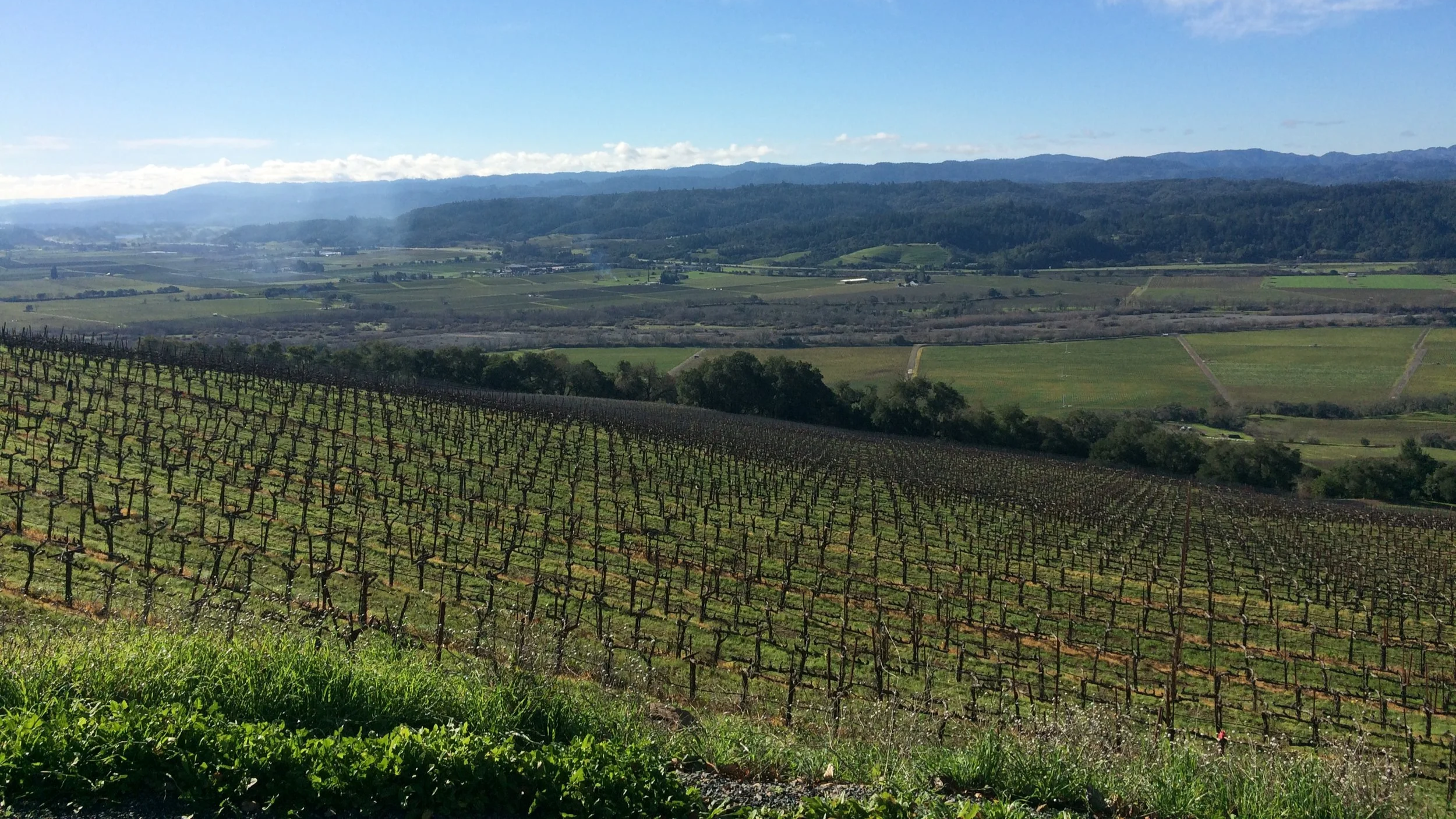
Geyserville, Sonoma County, CA
Picking a hotel in Sonoma County isn't like picking one anywhere else. You're not just choosing a room, you're choosing which side of the county you'll actually get to taste.
Sonoma is enormous, and the wine regions inside it don't behave like one destination. Healdsburg, Sonoma, the Russian River Valley, and West County can each anchor a completely different trip: different grapes, different drive times, different weather when you roll back in at 6 p.m. Where you sleep decides how much of the day you spend behind the wheel versus in a glass.
Your palate should drive the decision as much as the map does. Three days chasing Pinot Noir and Chardonnay call for a base near the Russian River Valley or West County. If Cabernet Sauvignon and Zinfandel are what you're after, Healdsburg puts Dry Creek and Alexander Valley a few minutes from your hotel door.
There's no single correct answer here. There's a correct answer for the trip you're planning.
Affiliate Disclosure: This post may contain affiliate links. As an Amazon Associate and through other affiliate programs, I earn from qualifying purchases at no additional cost to you.
Sonoma County Is Bigger Than It Looks on a Map
The most common planning mistake I see: assuming Sonoma works like Napa, where most of the destinations sit along one tidy corridor. It doesn't. Sonoma's wine regions are scattered across a much larger, more varied landscape, and a day in Dry Creek Valley has almost nothing in common with a day in Carneros, geographically or stylistically.
Take the town of Sonoma itself. Despite lending its name to the whole county, it actually sits in the southeastern corner. Great base for Sonoma Valley and Carneros, not a great base if your list is full of Healdsburg, Dry Creek, or Russian River Valley producers.
Build the Itinerary Before You Book the Hotel
You don't need a finished tasting schedule before you book, but you do need a rough sense of which regions you're chasing.
List heavy on Dry Creek and Alexander Valley names? Look at Healdsburg. Mostly Russian River Valley Pinot producers? Stay farther west and skip the unnecessary driving. Carneros and Sonoma Valley, with dinner within walking distance? Sonoma earns its reputation.
This matters more once you're stacking multiple appointments in a single day. Wine tasting shouldn't feel like a commute between meetings.
Transportation is worth thinking through too. Rideshare works fine in the bigger towns, but don't count on the same availability once you're at a rural estate or tucked into West County. If nobody in your group wants to drive, book transportation ahead of time.
The Quick Answer
If you'd rather skip the AVA-by-AVA breakdown, here's the short version.
| Area | Best For | Wine Focus | Trip Style |
|---|---|---|---|
| Healdsburg Best Overall | First-time wine-focused trips and broad variety | Zinfandel, Cabernet Sauvignon, Bordeaux varieties, Pinot Noir, Chardonnay | Walkable, polished, restaurant-focused |
| Sonoma | Classic wine-country experience, great for a first trip | Pinot Noir, Chardonnay, sparkling wine, Cabernet Sauvignon, Zinfandel | Historic, walkable, relaxed |
| Russian River & West County | Pinot Noir and Chardonnay lovers | Pinot Noir and Chardonnay | Quiet, cooler, rural, redwoods |
| Santa Rosa | Value and a central home base | Easy access to multiple AVAs and wine styles | Practical, central, restaurant-friendly |
Choose a Base by What You Actually Drink
Every major Sonoma region grows more than the one or two grapes it's known for, and plenty of wineries source fruit from outside their own AVA. Treat these as a shortcut to what each area does well, not as strict borders.
| If You Want to Drink... | Best Area to Stay | Why |
|---|---|---|
| Pinot Noir + Chardonnay | Russian River / West County | Cooler marine-influenced areas where Pinot Noir and Chardonnay are regional strengths. |
| Zinfandel | Healdsburg | Easy access to Dry Creek Valley, one of Sonoma County's best-known Zinfandel regions. |
| Cabernet Sauvignon + Bordeaux varieties | Healdsburg | Convenient for both Alexander Valley and Dry Creek Valley. |
| Pinot Noir + Chardonnay + Sparkling | Sonoma | Good access to Carneros while keeping restaurants and tasting rooms within reach. |
| A Little of Everything | Healdsburg | Central to several distinct wine regions and styles. |
| Several Different AVAs | Santa Rosa | A practical central base for exploring multiple parts of Sonoma County. |
Where you stay also decides what happens after the last pour of the day: Healdsburg or Sonoma for walking to dinner, West County for quiet mornings and a slower pace, Santa Rosa for value and flexibility. None of these is the wrong answer. There's just a wrong answer for your particular itinerary.
We'll start with the base I'd recommend to most first-time visitors building a wine-focused trip: Healdsburg.
Healdsburg: Best Overall Base
If someone asked me to pick one town to build an entire Sonoma trip around, it's Healdsburg.
The location does most of the work. You're close to Dry Creek Valley, Alexander Valley, and the Russian River Valley, which means access to three genuinely different wine styles without switching hotels mid-trip. Alexander Valley opens up north and east of town, Dry Creek stretches northwest.
But location isn't the only reason it works. Downtown Healdsburg is compact and genuinely walkable, tasting rooms, restaurants, bars, and the central plaza all within a few blocks. After an afternoon of driving between wineries, being able to leave the car at the hotel matters more than people expect going in.
That's the combination that's hard to beat: serious access to wine during the day, an actual town to enjoy once you're done.
What You'll Be Drinking Around Healdsburg
You're not locked into one grape here, which is the point.
Dry Creek Valley is closely tied to Zinfandel, and for good reason. It's the valley's most widely planted variety, with close to 2,400 acres in the AVA, and the concentration of old-vine sites is unusual even by California standards. But Cabernet Sauvignon is nearly as prevalent, particularly on the well-drained benchlands, alongside Merlot, Cabernet Franc, Malbec, and Petit Verdot, both varietal and blended. More than 25 wineries in the valley also make Sauvignon Blanc, and you'll find Rhône varieties, Petite Sirah, even Sangiovese and Barbera scattered in. The climate explains the range: warm, sunny days let Zinfandel and Cabernet ripen fully, while the nighttime temperature drop as marine air pushes inland preserves acidity. You could spend a full day here without tasting two similar wines, and the drive from Healdsburg is short enough that you're not burning an hour just to get started.
Alexander Valley sits north and east, and this is where I'd send anyone whose priority is Cabernet Sauvignon. It runs roughly 25 miles north to south, from just above Healdsburg past Geyserville, with vineyards climbing from the valley floor into the surrounding hills. You'll find other varieties here too, Sonoma rarely sticks to a script, but Alexander Valley is the stronger pull for the Cabernet-focused traveler, while Dry Creek keeps the door open to Zinfandel, Sauvignon Blanc, and Rhône wines alongside its own Cabernet. For a group with different tastes, that's a genuinely useful split.
Russian River Valley opens up south and west of town, where the profile shifts toward the Pinot Noir and Chardonnay that thrive in Sonoma's cooler pockets. If those two varieties are the entire reason for the trip, I'd still lean toward staying farther west (more on that later). But for one Russian River day layered onto Dry Creek and Alexander Valley, Healdsburg is the more sensible base.
That's the real case for Healdsburg. You're not committing to a single Sonoma experience. You're keeping several within reach.
Where to Stay in Healdsburg
The obvious weakness: it isn't cheap. This is one of the county's premier destinations and the rates reflect it. What you're paying for is proximity, several strong properties within or right around downtown, close enough to leave the car parked for the night.
Hotel Healdsburg — best for location. Sits directly on the historic plaza, tasting rooms and restaurants outside the door. Most rooms look out over the gardens, downtown, the plaza, or the surrounding hills, and the larger suites add balconies and separate living space. Best for first-time visitors, couples, and anyone who wants to be in the middle of everything.
h2hotel — best modern boutique stay. A 36-room property just off the plaza with a contemporary, eco-minded design, private patios or balconies, and LEED Gold certification (living roof, still and sparkling water stations throughout). Modern without going sterile, upscale without leaning into formal wine-country luxury. Spoonbar is downstairs. Best for design-conscious travelers who still want to be able to walk everywhere.
Harmon Guest House — best for contemporary design. 39 rooms steps from the plaza, balconies or patios throughout, and a rooftop bar looking out over downtown, Fitch Mountain, and the surrounding hills. Good pick if the plan is: come back from tasting, change, head upstairs for a drink instead of immediately plotting the next stop. Best for couples and friends who want a lively but polished downtown base.
Montage Healdsburg — best luxury resort. Set outside the town center in a vineyard and oak-studded landscape, with 130 bungalow-style rooms and suites, most with real outdoor living space and views toward vineyards, mountains, or forest. This is less about walking into downtown and more about the resort being part of the vacation itself. Worth the splurge if you want slow mornings, a pool afternoon, and a hotel you actually intend to spend time in. Less worth it if you're booking wineries back to back all day.
A note on price: there are cheaper options outside the plaza, and rates swing a lot by season and day of week, but the central hotels command a premium. Before defaulting to the least expensive room outside town, weigh what the location is actually worth to you. Not having to arrange another ride for a nightcap has real value. If Healdsburg pricing doesn't pencil out, Santa Rosa is the stronger fallback, especially if you're driving anyway.
Where to Eat in Healdsburg
You really can’t go wrong in Healdburg. Where the wine is good food is usually close by. That said you can spend a fortune on dinner here. You don't have to, below are a few moderately priced, but fantastic options.
Willi's Seafood & Raw Bar sits just north of the plaza with seafood-forward small plates built for sharing (oysters, ceviche, crab cakes, lobster rolls) and a solid by-the-glass list. Good option when you don't want dinner to turn into another three-hour production.
Bravas Bar de Tapas leans Spanish and works especially well for groups, since the sharing format flexes with how hungry everyone actually is after a day of winery lunches and cheese boards.
Plan one splurge dinner rather than trying to make every meal an event. Pick the one restaurant you're genuinely excited about, and let the rest be casual. Wine country is more fun when it isn't scheduled down to the hour.
Who Should Stay in Healdsburg
Stay here if it's your first northern Sonoma trip, you want several AVAs rather than one, your group's tastes don't align, walkability and restaurants matter, and you're fine paying more for convenience.
Look elsewhere if your whole itinerary is western Russian River Valley Pinot, you want a rural or redwood getaway, cooler summer weather is the priority, value matters more than charm, or your appointments are concentrated around Sonoma Valley and Carneros.
Sonoma: Best for a First Wine-Country Trip
If Healdsburg is the strongest all-around base, Sonoma is the easiest to recommend to someone picturing their first classic wine-country weekend.
The historic plaza gives the town a natural center. Taste all day, come back, walk to dinner. That combination, wine access plus real walkability, is Sonoma's strength, and it's a genuinely pleasant town even outside of winery hours.
One geographic note before you book: Sonoma sits in the southeastern part of the county, not the middle. Great for Sonoma Valley and the Sonoma side of Carneros, considerably less convenient if your reservations are up around Healdsburg, Dry Creek, Alexander Valley, or western Russian River Valley. Book it because it's the region you actually want, not because it shares the county's name.
What You'll Be Drinking Around Sonoma
Sonoma Valley resists a single signature grape. Chardonnay, Pinot Noir, Cabernet Sauvignon, and Merlot are the headliners, but shifting elevation, soil, and exposure to cool air off San Pablo Bay and the Pacific create room for a lot more range.
Sonoma Valley sits between Sonoma Mountain and the Mayacamas, with enough microclimate variation inside it that the wines don't sort neatly into one bucket. Warmer sites favor Cabernet and Zinfandel, higher elevation spots like Sonoma Mountain and Moon Mountain District can produce serious Cabernet, and the cooler pockets lean toward Chardonnay and Pinot Noir. If you haven't decided which of those four you like most, that's not a problem here.
Carneros, south toward San Pablo Bay, is a different climate entirely. It's one of the coolest growing areas in the region thanks to bay influence, and Pinot Noir and Chardonnay make up the majority of what's planted there, which is also the backbone of much of the local sparkling wine. Stay in Sonoma and you get Carneros without needing to base yourself somewhere rural.
Worth separating this from the Russian River / West County option below. Both work for Pinot and Chardonnay lovers, but the trips feel completely different: Sonoma pairs the wine with a walkable town, West County pairs it with quiet and distance.
Where to Stay in Sonoma
El Dorado Hotel — best for staying right on the plaza. A 27-room boutique property directly on Sonoma Plaza, every room with some form of outdoor space, some overlooking the plaza itself. This is the pick if the plan is: taste all day, park the car, forget about it until morning. El Dorado Kitchen is downstairs for when nobody wants to make another decision. Note that part of the building is historic, so some second-floor rooms aren't elevator-accessible; confirm room type if that matters for your group.
MacArthur Place Hotel & Spa — best for a romantic luxury stay. Over five acres of gardens and historic grounds, with rooms, suites, cottages, a spa, fire pits, and multiple dining options. A different kind of trip than staying directly on the plaza, more room to slow down on the property itself, still close enough that downtown Sonoma stays in play. Strong pick for an anniversary or any trip with deliberate blank space in the schedule.
The Lodge at Sonoma Resort, Autograph Collection — best full-service resort. Lodge rooms, cottages, larger suites, a pool and spa, still within reach of the plaza. Worth it if you're alternating tasting days with pool and spa afternoons. If you've got three appointments booked every day followed by dinner in town, you may barely see what you're paying for.
Where to Eat in Sonoma
The Girl & The Fig is the closest thing Sonoma has to a defining restaurant, French-influenced and thoroughly wine-country in style. It's popular enough that walking in at prime time on a Saturday is a gamble, book it when you're booking wineries.
El Dorado Kitchen serves seasonal California cooking in a relaxed plaza-side setting, useful even if you're not staying at the hotel, and especially convenient if you are.
Sonoma has plenty of destination dining, but you don't have to treat every night like an occasion. Pick one dinner to get excited about and let the rest be simple.
Who Should Stay in Sonoma
Stay here for a first Sonoma trip, for walkability, for Sonoma Valley and Carneros, for a mixed group that wants range rather than one variety, or for a romantic weekend without total isolation at a resort.
Look elsewhere if your reservations are in Dry Creek or Alexander Valley, Healdsburg is the focus, you're planning multiple days in western Russian River Valley, or you want the coolest possible summer base.
Russian River Valley & West County: Best for Pinot, Chardonnay, and a Slower Pace
If Pinot Noir and Chardonnay are the entire point of the trip, this is where I'd steer you.
It's a genuinely different kind of wine country. No central plaza ringed by hotels, instead a scatter of small towns, vineyards, orchards, and redwood-lined roads through Forestville, Graton, Sebastopol, Guerneville, Occidental, and Freestone. You give up walkability. In exchange, you get the part of Sonoma County best suited to cool-climate wine, and arguably the best base if these two grapes are what you came for. This is also the strongest option for a summer trip, since the marine layer that rolls in off the Pacific keeps mornings and evenings meaningfully cooler than inland Sonoma. Pack a layer. It'll feel unnecessary at 3 p.m. and essential by dinner.
Why It's Cooler Out Here
Cool air and fog push inland through gaps in the coastal hills and along the Russian River corridor, moderating temperatures as you move west. For Pinot Noir and Chardonnay, both of which want a long, even ripening period, that's exactly the setup you want: slower ripening builds flavor while the cooler nights hold onto acidity. For visitors, it means you can leave under fog in the morning, taste somewhere warm and sunny inland by afternoon, and come home to a completely different evening. Worth planning around in July, August, and early September if a 90-degree vacation isn't your idea of a good time. Just don't take "California in August" as license to skip the jacket entirely.
What You'll Be Drinking
Pinot Noir here is unusually site-driven. Vineyard, soil, exposure, clone, and winemaking choices can produce noticeably different wines even within the same broader appellation, some bright and red-fruited, others darker, more concentrated, more savory. Rather than looking for five versions of the Pinot you already like, this is a good place to see how wide the variety's range actually is.
Chardonnay benefits from the same cool conditions, and it doesn't automatically mean butter and oak. You'll find fresher, acid-driven styles, richer barrel-fermented versions, wines shaped by malolactic fermentation, and plenty in between. If you've written off Chardonnay, a few Russian River Valley bottles are often the thing that changes your mind. Usually people don't dislike Chardonnay, they dislike one particular style of it.
It's not only Pinot and Chardonnay. The broader Wine Road connects more than 100 wineries across Russian River, Dry Creek, and Alexander valleys, covering Cabernet, Zinfandel, Sauvignon Blanc, and sparkling wine too. But if your tasting list keeps filling up with Pinot and Chardonnay producers, that's a strong signal you should sleep on this side of the county.
Where to Stay
Forestville — best for a wine-focused luxury stay. Small, quiet, positioned well for Russian River Valley without Healdsburg's bustle. You're not here for a dozen restaurants outside your door, you're here to be surrounded by the region itself. Good fit for couples on a wine-first trip.
Guerneville — best for redwoods plus wine. Puts you close to both wine country and the river/redwood side of the experience, winding river, forest, small-town character. Taste Pinot and Chardonnay one day, walk among redwoods the next, without over-scheduling either. A good compromise if one traveler in your group cares about wine but doesn't want it filling every hour.
Sebastopol — best for restaurants and West County convenience. More of an actual functioning town while staying close to western Russian River Valley wineries. Route 116 runs through the area, lined with family-owned wineries, and you'll have restaurants, coffee, shops, and breweries for the hours you're not tasting. Useful for a longer stay.
Graton — small, but worth knowing. Not a first search term for a hotel, but sits right in the middle of West County wine country between Sebastopol and Forestville, and it's home to one of my favorite West County restaurants (more below).
Occidental and Freestone — best for getting away entirely. Slower, more rural, closer to the coast. Better suited to travelers who've already done a Healdsburg or Sonoma trip and want something quieter, with wine as part of the weekend rather than the whole reason for it. Expect more driving.
Where to Stay: The Properties
Farmhouse Inn — best luxury stay. A small boutique property in Forestville surrounded by Russian River Valley vineyards, with a spa and rooms featuring fireplaces, steam showers, jet tubs, and in-room wine fridges. You're not here for nightlife, you're here because waking up in Forestville and coming back to a quiet luxury property at the end of the day is the entire point.
boon hotel + spa — best boutique redwood escape. An adults-oriented property near Armstrong Redwoods in Guerneville, with a pool, spa, and a companion restaurant. A genuinely different proposition from a plaza hotel, and that's exactly why some travelers pick it.
A vineyard rental, for groups. Properties like Kanzler Vineyards Farm Stay near Sebastopol put a group on a working estate vineyard with a private home. Not the right format for two people on a short trip, but for six or eight friends, the economics and the experience both make sense, kitchen, living space, somewhere to open that bottle someone bought at the last winery.
Where to Eat
Underwood Bar & Bistro in Graton is an easy recommendation and one of my favorites: oysters, French onion soup, steak frites, burgers, ribs, and Asian-influenced dishes rather than another precious wine-country tasting menu. Entrées mostly run mid-$20s to mid-$40s, relatively approachable by county standards. It's the kind of place where you can sit at the bar, split some starters, and stop analyzing the wine list for one night.
But there are many more amazing restaurants, this part of the county is just more spread out, so it’s easier to plan your restaurant near the hotel or near your last tasting appointment. Sonoma County does food well, hard to find a bad spot.
Who Should Stay Here
Stay if Pinot and Chardonnay are the main event, you want Russian River Valley proximity, you prefer quiet and rural over walkable and social, redwoods and outdoor time are part of the plan, or you're visiting in summer and want the cooler air.
Look elsewhere if you want to walk everywhere from the hotel, nightlife matters, your list is mostly Dry Creek or Alexander Valley, or you don't want to think about transportation after dinner.
Santa Rosa: Best for Value and a Central Base
Santa Rosa isn't the town that shows up in the romantic version of this trip. That's not really its job.
What it offers instead: location, flexibility, a genuinely good restaurant scene, and far more lodging inventory than the smaller wine towns. For a trip that spans several regions rather than parking in one AVA, those practical advantages usually outweigh the appeal of a picture-perfect town square. It's a particularly strong pick for a longer stay, since you can build one day around Russian River Valley, another around Healdsburg and Dry Creek, and another toward Sonoma Valley or Bennett Valley without switching hotels. And you're not paying quite the same premium just for having "wine country" outside the door.
If Healdsburg is the romantic answer, Santa Rosa is the logistical one. Sometimes logistics make for a better trip.
What You'll Be Drinking
The case for Santa Rosa isn't one particular wine style, it's access. Head west and you're quickly into Russian River Valley for Pinot and Chardonnay. Northeast toward Healdsburg opens up Dry Creek (Zinfandel, Cabernet, Sauvignon Blanc, Rhône) and Alexander Valley (Cabernet and Bordeaux varieties). Southeast gets you into Sonoma Valley.
Worth knowing about: Bennett Valley, immediately south of Santa Rosa, doesn't have the name recognition of Russian River or Dry Creek, but cool air moving in from the Pacific and San Pablo Bay makes it well suited to Syrah, Chardonnay, Merlot, and Pinot Noir. You don't need to build a trip around it, but it's a good example of why Santa Rosa works: there's interesting wine in nearly every direction.
For a mixed group, that means you can organize by geography instead of trying to satisfy everyone at every stop. Day one, Russian River Valley for Pinot and Chardonnay. Day two, Dry Creek for Zinfandel and Cabernet. Day three, Alexander Valley for Cabernet and Bordeaux varieties. Considerably easier to pull off from a central base.
Where to Stay
Vinarosa Resort & Spa — best wine-country feel. Set on a vineyard property north of central Santa Rosa, more peaceful than a downtown hotel while staying well positioned for Russian River Valley and trips north to Healdsburg. A solid compromise for vineyard views and a slower resort pace without Healdsburg pricing or committing the whole trip to one town.
Hotel E — best for downtown. A boutique property on Courthouse Square, restaurants, bars, and coffee within walking distance. Not trying to be a vineyard resort, and doesn't need to be, spend the day out in wine country, come back, park the car, walk to dinner.
Flamingo Resort & Spa — best for a relaxed, playful stay. Retro California character rather than a Tuscan-estate imitation, with a pool, spa, and fitness facilities. Worth considering for a longer summer trip, when at least one afternoon will inevitably turn into pool time instead of more tasting.
Also worth saying plainly: sometimes a straightforward hotel is the right call. If the plan is taste all day, come back around five, change, go to dinner, repeat, you don't necessarily need a fireplace overlooking a vineyard. Santa Rosa has far more conventional hotel inventory than the smaller towns, and for a budget-conscious trip, it's worth comparing those rates before assuming you need a resort. Put the difference toward wine instead. Nobody's ever complained about ending up with too much Cabernet.
Where to Eat
The Stark Reality Restaurants group has several Santa Rosa locations covering very different styles, all of their restaurants are consistently good and reasonably priced by county standards. My favorite few restaurants in Sonoma County are part of their portfolio.
Willi's Wine Bar is built around small plates, useful after a tasting day when the group is somewhere between starving and "I had cheese at four wineries, apparently that was lunch." And if the chocolate chip banana croissant bread pudding is avalable, you absolutely won’t regret it, it lives rent free in my head.
Bird & The Bottle pulls from a wider range of influences than the usual wine-country template, with a shareable format that works well for groups.
Monti's offers Mediterranean-leaning food with a comfortable neighborhood feel, flexible enough for a full dinner or something more casual.
Augie's French is the one I'd point you to for a proper sit-down dinner. It's on Fourth Street facing Courthouse Square, a genuine French bistro right down to the all-French wine list: onion soup gratinée, escargot, steak frites, mussels, beef cheek bourguignon. After a day of Zinfandel and Cabernet, ordering a glass of Burgundy or Muscadet with dinner is a nice reset. Book ahead on weekends.
Taken together, they're a good reason not to think of Santa Rosa purely as the backup plan for when Healdsburg is booked or too expensive.
Who Should Stay in Santa Rosa
Stay here if you're covering several regions, your group's tastes don't line up, you want more lodging choices, value matters more than a postcard town square, or you're planning a longer trip.
Look elsewhere if walking straight out of the hotel into a charming wine town is the point, this is a romantic weekend built around atmosphere, or your whole itinerary sits in one region.
What About the Sonoma Coast?
The coast is spectacular, and it's still not where I'd tell most people to base a wine-focused trip. Bodega Bay and the surrounding coastline give you dramatic Pacific views, beaches, seafood, fog, and some of the coolest weather in the county, but not particularly convenient access to most tasting routes.
That doesn't make it a bad choice, it makes it a choice for a different trip. If you want two or three full days of tasting, stay inland. If you want one day of wine surrounded by coastal hikes and seafood, the coast makes a lot of sense, especially tacked onto the end of a longer Sonoma trip after a few nights around Healdsburg or Russian River Valley.
Best Time to Visit
There's no genuinely bad season here, but the experience shifts a lot across the year, and where you stay can matter almost as much as when you go.
Spring brings green hills, comfortable temperatures, and lighter crowds than summer or harvest, good conditions for active tasting days without fighting the heat.
Summer means long, dry, increasingly warm days inland, which is exactly when West County earns its keep. The same marine influence that suits Pinot and Chardonnay also keeps the coast and western Russian River Valley noticeably cooler. If a 90-degree afternoon by the pool sounds fine, it won't matter much where you stay. If it doesn't, go west, and bring layers regardless, temperatures swing hard between afternoon and evening here.
Harvest is the most interesting time to visit if you're genuinely into the process, trucks running grapes, crush pads in motion, more activity behind the scenes than any other point in the year. It's also the busiest season for the people making the wine. Popular hotels get pricier and reservations matter more, and don't expect winemakers to have much spare time to chat, they're making what you'll be drinking in a couple of years.
Winter is underrated. Dormant vineyards mean no postcard greenery, and rain is more likely, but tasting rooms are quieter, restaurants easier to book, and rates often noticeably better. If you care more about the wine than the photos, it's a genuinely good time to go.
So, Where Should You Stay?
| Trip Priority | Best Choice |
|---|---|
| Best overall combination of wine, restaurants and walkability | Healdsburg |
| Classic wine-country town | Sonoma |
| Pinot Noir, Chardonnay and a quieter escape | Russian River / West County |
| Cooler summer weather | West County |
| Redwoods + wine | Guerneville / West County |
| Walk to dinner after tasting | Healdsburg or Sonoma |
| Central location and better lodging value | Santa Rosa |
| Quiet, rural wine-country feel | West County |
Stop thinking of Sonoma County as one destination. It's several destinations that happen to share a county line. Pick the one that matches what you actually want to drink and the kind of trip you want to have, and the rest of the planning gets a lot easier.
Frequently Asked Questions
Is Healdsburg or Sonoma better for wine tasting? For a trip built primarily around wine, Healdsburg, for its access to Dry Creek, Alexander Valley, and Russian River Valley. Sonoma is the stronger pick if Sonoma Valley, Carneros, and a classic walkable town matter more to you.
Where should I stay for Russian River Valley wineries? Forestville, Sebastopol, Guerneville, and Graton all work depending on the trip. Sebastopol for more restaurants and amenities, Guerneville for redwoods and a relaxed pace, Forestville for a luxury wine-focused stay.
Where should I stay for Pinot Noir specifically? Russian River Valley and West County first. Carneros is also excellent, and staying in Sonoma keeps that option open with a walkable town attached.
Do I need a car in Sonoma County? For most tasting trips, yes, or you'll need to arrange transportation some other way. Downtown Healdsburg and Sonoma are walkable, but the wineries themselves are spread across rural areas.
Can I use Uber or Lyft for wine tasting? It works around the bigger towns, but I wouldn't build a full rural tasting day around the assumption a car will always be available on demand. For West County or other rural regions especially, prearranged transportation is far less stressful.
How many days do I need? Three days is enough for a focused trip. Four or five gives you room to explore multiple regions without booking every hour. I'd rather see someone cover two or three areas well than try to check every AVA off a list.
Is Healdsburg walkable? Downtown, yes, hotels, restaurants, tasting rooms, and shops cluster around the plaza. You'll still need a car to reach most of the actual wineries.
Is Sonoma County cooler than Napa Valley? Parts of it, yes. Sonoma stretches much closer to the Pacific, and the west-to-east temperature swing is significant. Areas under stronger coastal influence, especially West County, run noticeably cooler than inland Sonoma or Napa, which is a big part of why Pinot Noir and Chardonnay do so well there.
Where should I stay in summer? For cooler weather, Russian River Valley or West County. For a resort pool and a walkable town, and less concern about warmer afternoons, Healdsburg or Sonoma still work well.
Can I stay on the Sonoma Coast and still go wine tasting? Yes, but expect more driving. Works best as part of a longer trip rather than the whole trip, tack a night or two onto a stay in Healdsburg or Russian River Valley for a slower finish with beaches and seafood.
Choose your regions first, your base second, and leave room in the schedule to actually enjoy where you're staying. That's the whole trick to doing Sonoma County well.
Keep Planning Your Wine-Country Trip
If you're deciding between Sonoma County and Napa Valley, start with our guide to the Best Places to Stay in Napa for a Wine Tasting Trip.
You may also like:
7 Walkable Wine Towns in the U.S.
The Best Wine Hotels in the World (Bucket List Edition)
How to Taste Wine Like a Pro (Beginner Guide)
How Wine Actually Tastes: Acidity, Tannins, Body & Sweetness Explained
Best Wine Travel Bags for Bringing Bottles Home
A little planning goes a long way in Sonoma County. Choose your wine regions first, choose your home base second, and leave enough room in the itinerary to enjoy where you're staying.