Best Wine Preservation System (2026 Guide): What Actually Works
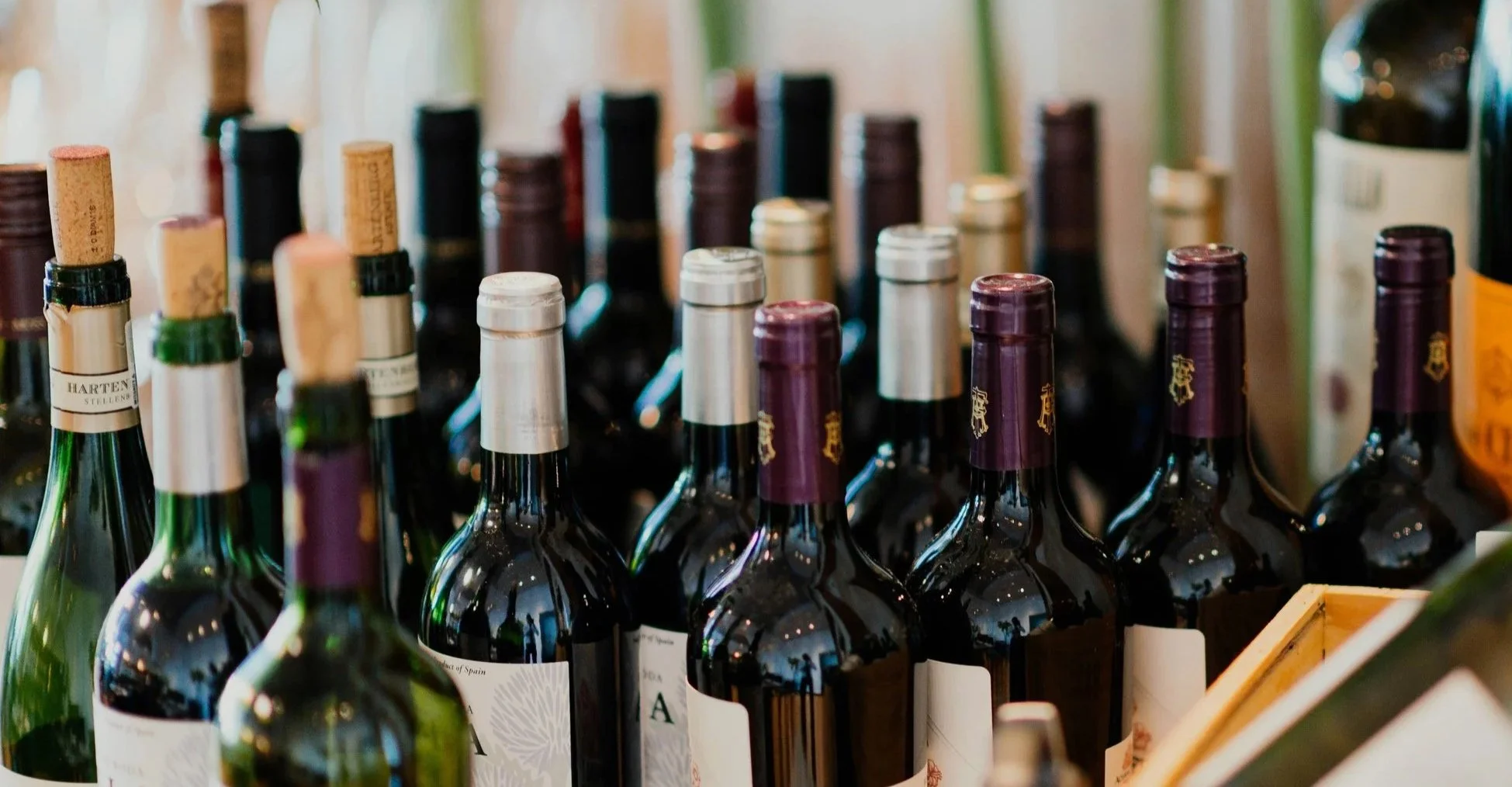
Opening a great bottle should not feel like starting a countdown clock. Whether you’re pouring one glass on a Tuesday night or tasting through multiple bottles side by side, how you preserve wine matters more than most people realize. Some systems genuinely extend freshness. Others mostly make you feel better. If you’re searching for the best wine preservation system, the reality is that different systems work better for different drinking habits. The best way to preserve wine after opening depends on how long you want it to last and how much you’re willing to invest.
As a winemaker, I care about structure, aromatics, and how a wine evolves. Preservation systems are not magic. But the right one absolutely works.
Affiliate Disclosure: This post may contain affiliate links. As an Amazon Associate and through other affiliate programs, I earn from qualifying purchases at no additional cost to you.
Best Wine Preservation Systems (Quick Picks)
If you just want the answer:
Best overall: Coravin Timeless Six+ — longest preservation, closest to professional results
Best for most people: Coravin Pivot+ — best balance of performance and price
Best budget option: Vacu Vin Pump — simple, inexpensive, works for short term
Best for sparkling wine: Champagne Recorker — preserves carbonation properly
Why Wine Oxidizes So Quickly
The moment you pull a cork, oxygen begins interacting with the wine.
Aromatics dissipate first. Fresh fruit fades. Acidity softens. Tannins polymerize. Eventually, everything tastes flat and tired.
Red wines tolerate oxygen slightly better than whites. Sparkling wine loses quality fastest because CO₂ escapes immediately.
Refrigeration slows oxidation dramatically. Yes, even for reds. Temperature matters more than people think.
→ See our Wine Storage Temperature Guide here.
The 3 Types of Wine Preservation Systems
Vacuum Pumps
These remove air from the bottle after opening.
They are affordable and simple. But they do not remove all oxygen, and aggressive pumping can strip some volatile aromatics.
Best for casual drinkers finishing a bottle within two to three days.
Inert Gas Systems
These replace oxygen with heavier gases like argon.
Argon forms a protective blanket over the wine. It does not react with the liquid and is widely used in wineries both in the cellar and the tasting room.
Best for people who want better performance without investing in a needle system.
Needle Access Systems
These systems pierce the cork and allow wine to be poured without fully removing it. The space left behind is replaced with argon.
They are the closest thing to professional level preservation at home.
Best for collectors, high end bottles, and anyone who drinks one glass at a time over weeks.
How to Choose the Right Wine Preservation System
The right system depends less on the technology and more on how you actually drink wine at home.
If you usually open a bottle with dinner and finish it within a day or two, a simple vacuum pump is often enough. It removes some air from the bottle and slows oxidation slightly. It will not preserve wine for long periods, but it can extend freshness by a day or two.
If you regularly open bottles during the week and want them to last several nights, inert gas systems are a noticeable upgrade. Argon replaces oxygen in the bottle and creates a protective layer over the wine. This approach is commonly used in wineries and tasting rooms because the gas is completely inert and does not react with the wine.
If you tend to open more expensive bottles or like to taste a single glass at a time, needle access systems are the closest thing to professional preservation at home. These systems allow wine to be poured without removing the cork, replacing the displaced wine with argon gas. In practical terms, that means a bottle can remain stable for weeks instead of days.
Sparkling wine requires a different approach. Because the quality of sparkling wine depends on internal pressure, the goal is not removing oxygen but keeping carbonation inside the bottle. A proper Champagne recorker maintains pressure far better than standard stoppers.
In most households, the best choice comes down to drinking habits. Casual drinkers will likely be happy with a simple pump. Frequent wine drinkers benefit from an argon system. Collectors and enthusiasts who open high end bottles slowly will get the most value from a Coravin style needle system.
Quick Recommendation Based on How You Drink
If you already know your habits, here’s the simplest way to decide:
Drink one glass at a time from expensive bottles → Coravin Timeless
Open bottles during the week and want them to last → Coravin Pivot
Just want something inexpensive that helps a little → Vacuum pump
Open sparkling wine regularly → Champagne recorker
This is less about technology and more about how long you want the wine to last after opening.
The Best Wine Preservation Systems for 2026
| System | Type | Best For | Price | |
|---|---|---|---|---|
| Coravin Timeless Six+ Top Pick | Needle access system | Collectors and premium bottles | $$$ | Check Price on Amazon |
| Coravin Pivot+ | Argon stopper system | Everyday drinkers | $$ | Check Price on Amazon |
| Vacu Vin Loop Pump Best Value | Vacuum pump | Budget friendly preservation | $ | Check Price on Amazon |
| Private Preserve Spray | Argon gas spray | Short term protection | $ | Check Price on Amazon |
| Champagne Recorker | Pressure seal stopper | Sparkling wine preservation | $ | Check Price on Amazon |
Coravin vs Pivot vs Vacuum Pumps (What Actually Matters)
Not all preservation systems solve the same problem.
Here’s the real difference:
Longevity
Vacuum pump: ~1 extra day
Argon systems (Pivot, sprays): 3 to 7 days
Needle systems (Coravin): weeks to months
Cost
Vacuum: lowest
Argon systems: moderate (ongoing capsule cost)
Needle systems: highest upfront
Ease of Use
Vacuum: simplest
Argon: easy, minimal learning curve
Coravin: slightly more involved, but consistent once learned
Best Use Case
Vacuum: finish within 1–2 days
Argon: weeknight drinking
Coravin: high-end bottles over time
If you’re choosing between them, this is the section that actually matters.
Coravin Timeless Six+
Summary
This is the gold standard for serious wine drinkers. It allows you to pour wine without removing the cork, replacing displaced wine with argon gas.
Specs
• Type: Needle access system
• Best for: Collectors and premium bottles
• Approx cost: $$$
• Sparkling compatible: No
Pros
• Preserves wine for weeks to months
• Ideal for vertical tastings
• Excellent for expensive bottles
Cons
• Higher upfront cost
• Requires argon capsule replacements
• Not compatible with screw caps without adapters
Verdict
If you regularly open $60 to $200 bottles and do not finish them in one sitting, this pays for itself quickly. If you typically finish bottles the same night, this is unnecessary. This only makes sense if you drink wine over multiple days or weeks.
Prices can vary depending on capsule bundles and availability, so it’s worth checking current pricing.
Coravin Pivot+
Summary
Designed specifically for bottles that are already opened. Instead of piercing the cork, it uses a stopper system with argon.
Specs
• Type: Inert gas with stopper
• Best for: Weeknight drinkers
• Approx cost: $$
• Sparkling compatible: No
Pros
• More affordable than Timeless
• Noticeably better than vacuum pumps
• Clean modern design
Cons
• Preserves for days, not months
• Requires capsules
Verdict
This hits the sweet spot for most households. For most people, this is the best balance between performance, cost, and simplicity.
Vacu Vin Loop Wine Saver Pump
Summary
The classic vacuum pump system. Budget friendly and widely available.
Specs
• Type: Vacuum pump
• Best for: Casual drinkers
• Approx cost: $
• Sparkling compatible: No
Pros
• Inexpensive
• Simple
• Easy to store
Cons
• Limited performance beyond 2 to 3 days
• Can mute delicate aromatics
Verdict
Better than nothing. Not ideal for high end bottles. This is a short-term solution. It helps, but it does not meaningfully preserve wine beyond a couple of days.
Private Preserve Wine Preservation Spray
Summary
A blend of inert gases sprayed directly into the bottle before resealing.
Specs
• Type: Argon based gas spray
• Best for: Short term protection
• Approx cost: $
• Sparkling compatible: No
Pros
• No pumping required
• Gentle on aromatics
• Affordable
Cons
• Requires consistent use
• Less effective if bottle is half empty
Verdict
A solid middle ground between pumps and full systems.
Champagne Preservation Recorker
Summary
A reusable pressure-locking recorker designed to preserve opened Champagne and sparkling wine by maintaining internal bottle pressure after opening. (Sometimes referred to by the French word bouchon.)
Specs
• Type: Mechanical pressure seal recorker
• Best for: Sparkling wine preservation
• Approx cost: $
• Sparkling compatible: Yes
Pros
• Specifically engineered for Champagne and sparkling bottles
• Maintains carbonation longer than standard stoppers
• Durable chrome construction
• Simple clamp-down design
Cons
• Not compatible with still wine bottles
• Requires proper alignment to seal correctly
Verdict
A practical, low cost essential for anyone who regularly opens sparkling wine and wants to preserve bubbles without investing in a full preservation system.
Which One Should You Actually Buy?
If you open expensive bottles and drink one glass at a time, buy the Timeless.
If you open $20 to $40 bottles during the week and want them to last until Saturday, buy the Pivot.
If you just want something inexpensive that helps a little, grab the pump.
Every household will benefit from having a champagne recorker on hand.
How Long Wine Actually Lasts After Opening
Without preservation:
• Full bodied reds: 2 to 3 days
• Pinot Noir: 1 to 2 days
• White Wines: 1 to 2 days
• Sparkling: less than 24 hours
With a vacuum pump:
Add roughly one extra day.
With argon systems:
3 to 7 days depending on fill level.
With needle systems:
Weeks to months if stored properly.
Always refrigerate after opening. Bring reds out 45 to 60 minutes before serving.
If you’ve ever wondered how long wine actually lasts after opening, the answer changes dramatically depending on the system you use.
Common Mistakes That Ruin Wine Faster
• Leaving the bottle on the counter overnight
• Not refrigerating reds
• Pumping aggressively
• Trying to preserve already oxidized wine
• Assuming preservation works on sparkling
Preservation slows decline. It does not reverse it.
FAQ
What is the best wine preservation system for everyday use?
For most people, the Coravin Pivot is the best choice. It preserves wine for several days, is easy to use, and costs significantly less than full needle systems while delivering noticeably better results than a vacuum pump.
Is Coravin worth it?
If you drink premium bottles slowly, yes. If you finish everything in one sitting, no.
Should I refrigerate red wine after opening?
Yes. Always. Temperature control matters more than people realize.
Does vacuum pumping damage wine?
Not damage exactly. But it can mute delicate aromatics.
How long does wine last without any system?
Two to three days at best. Often less for whites.
Can wine preservation systems restore spoiled wine?
No. Wine preservation systems slow oxidation, but they cannot reverse it. If a wine already smells flat, vinegary, or cooked, the chemical changes have already happened. Preservation works best when the system is used immediately after opening the bottle.
Do wine preservation systems work on screw cap bottles?
Yes, but it depends on the system. Vacuum pumps and argon spray systems work with screw cap bottles without any issue. Needle systems like Coravin work with cork closures by default, but screw cap bottles require a reusable Coravin screw cap designed for the system. If you regularly drink wines with screw caps, make sure the system you choose supports them.
Final Take
Most people overcomplicate wine preservation.
You don’t need the most advanced system. You need the right system for how you drink.
If you finish bottles quickly, keep it simple.
If you stretch bottles over several nights, use argon.
If you want to treat wine like a cellar at home, use a Coravin.