The Best Budget Wine Glasses That Don’t Feel Cheap
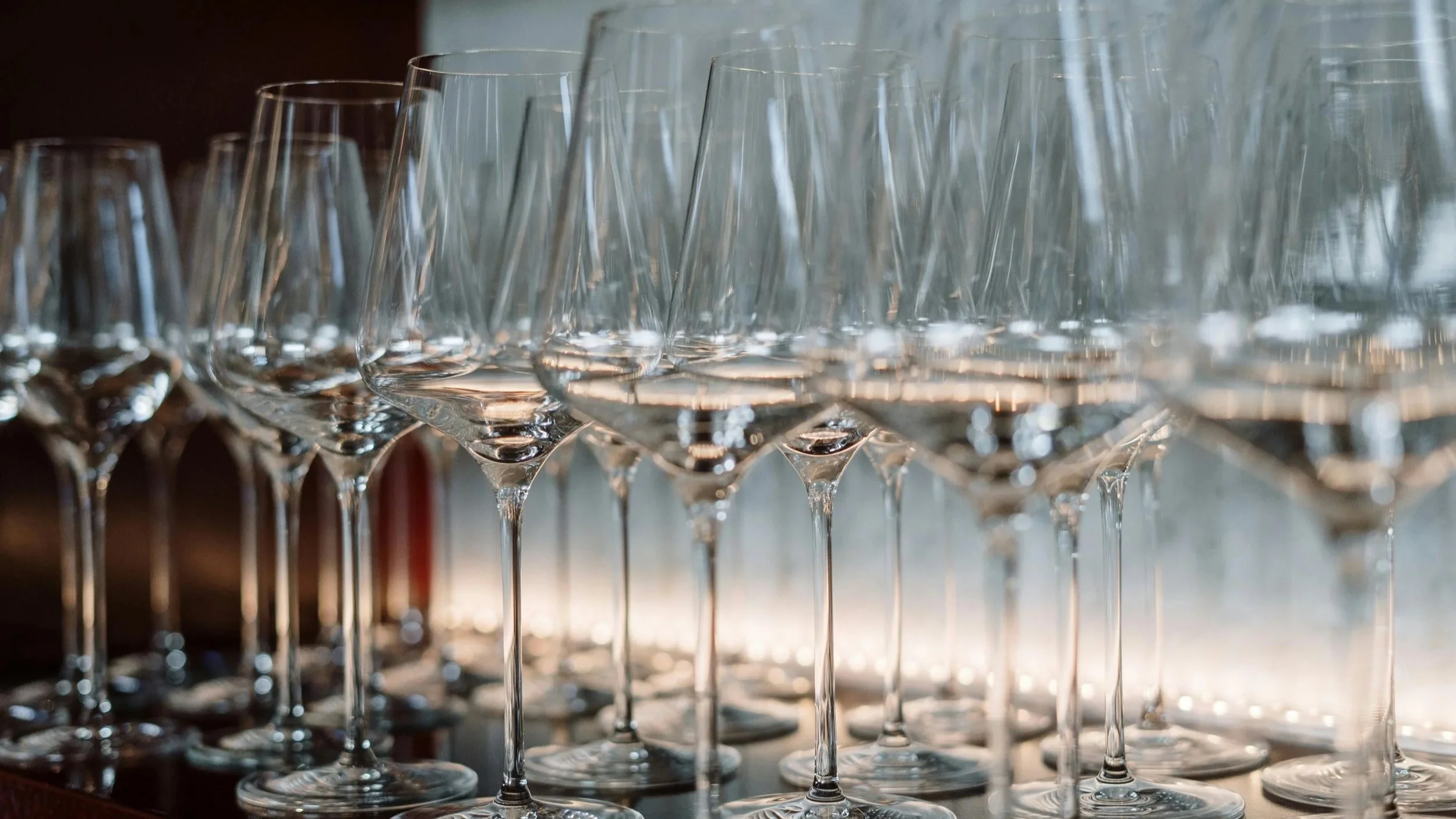
Most budget wine glasses fall into two categories.
They’re either thick and clunky, or so thin they feel like they’ll break if you look at them wrong.
The goal is the middle ground. Glasses that feel good in your hand, look clean on the table, and don’t make you nervous to use them.
This guide focuses on exactly that.
Affiliate Disclosure: This post may contain affiliate links. As an Amazon Associate and through other affiliate programs, I earn from qualifying purchases at no additional cost to you.
In This Guide
• Why wine glass shape actually matters (and what changes in the glass)
• The key differences between red, white, and sparkling wine glasses
• Why tulip glasses are better than traditional flutes for Champagne
• How to choose the right glass without overcomplicating it
• The only wine glasses most people actually need at home
Why Wine Glass Shapes Actually Matter
Different wine glasses aren’t just aesthetic. The shape changes how the wine smells and how it hits your palate.
There are three things happening:
1. Bowl Size = How Much Air the Wine Gets
A larger bowl gives the wine more surface area.
More surface area = more oxygen = more aroma released.
That’s why big red wines use larger bowls. They need space to open up.
Smaller bowls keep aromas tighter and more focused, which works better for delicate wines.
2. Rim Shape = Where the Wine Lands on Your Palate
The rim controls how the wine flows into your mouth.
A wider opening spreads the wine out.
A narrower opening directs it more precisely.
In practice:
• Wider rims → softer, rounder feel
• Narrower rims → more focused, sharper feel
This is why some glasses make wines feel smoother, while others highlight acidity or freshness.
3. Shape = How Aromas Are Managed (Not Just Trapped)
The shape of the glass controls how aromas collect and how quickly they escape.
For sparkling wine, this is where things have evolved.
Instead of traditional flutes, a tulip-shaped glass is a better option.
It still:
• preserves bubbles with a narrower opening
• but adds a slightly wider bowl to let aromas develop
Flutes prioritize bubbles, but they mute aroma.
Tulip shapes strike a better balance between aroma and texture, which is what actually improves the drinking experience.
The Simple Way to Think About It
You don’t need to memorize glass types.
Just remember this:
• Big, bold wines → bigger bowl
• Light, fresh wines → smaller or narrower bowl
• Sparkling → tulip shape (not a narrow flute)
That keeps it simple and aligns with how people actually drink today.
What Makes a Wine Glass Feel Cheap?
Wine glasses usually feel cheap for a few specific reasons. Once you know what to look for, it’s easy to avoid them.
Thick or rolled rims
This is the biggest giveaway.
Many budget glasses use a rolled or beaded rim for durability. It makes the glass stronger, but it also:
• feels bulky on the lips
• interrupts the flow of the wine
• immediately signals lower quality
A thinner, cut rim feels smoother and lets the wine hit your palate more naturally.
Poor balance
Cheap glasses often feel slightly off.
• too much weight in the bowl
• stems that feel flimsy or disproportionate
• awkward to hold for more than a few seconds
A good glass feels stable without you thinking about it.
Generic bowl shapes
Most inexpensive sets use one oversized, rounded shape for everything.
It works, but it doesn’t help the wine.
You don’t need a different glass for every grape, but shape does influence how a wine smells and tastes.
What Actually Matters (Simplified)
If you ignore everything else, focus on these four things:
• Thin rim → cleaner drinking experience
• Balanced weight → feels better in hand
• Functional bowl shape → improves aroma and flavor
• Durability → because real life exists
From a winemaking perspective, glassware is one of the easiest ways to change how a wine shows without changing the wine itself.
The Only Two Wine Glasses You Actually Need
If you don’t want a full collection of bowl shapes, you really only need two styles.
1. An all-purpose (or red wine) glass
This is your workhorse.
It handles:
• red wine
• white wine
• most everyday bottles
Why it works:
• slightly larger bowl gives enough room for aroma
• versatile across styles
• feels more “proper” without being fussy
If you only own one wine glass, this should be it.
2. A proper Champagne glass (not a standard flute)

This is where most people get it wrong.
Traditional flutes look elegant, but they don’t show the wine well.
What we recommend instead:
• a tulip-shaped glass (not to be confused for a coupe)
• narrow enough at the base to preserve bubbles
• wide enough to actually capture aroma
The best versions use a slightly deeper base for consistent bubbles and a wider bowl so the wine can open up.
This is the shape used in Champagne itself, and it’s the one that actually lets the wine perform.
Best Budget Wine Glasses Comparison Table
| Glass | Best For | Highlights | |
|---|---|---|---|
| Zwiesel Glas Vervino Top Pick | Best Overall | Balanced, thin, versatile | View |
| JBHO Crystal Glasses Best Value | Budget Set | Thin rim, flexible packs | View |
| Libbey Greenwich | Everyday Durable | Dishwasher safe, reliable | View |
| Stölzle Lausitz | Modern Design | Clean, angular aesthetic | View |
| Stölzle Cocoon | Stemless | Grip ridge, casual use | View |
| Riedel Extreme | Upgrade Pick | Large bowl, expressive | View |
| Luigi Bormioli Atelier | Champagne | Tulip shape, aroma focused | View |
Why Many of These Are “Glass Lines”
You’ll notice many of these recommendations are part of a larger glass line. That’s intentional.
Within each line:
• the design stays consistent
• the bowl shape changes by wine style
That means you can start with an all-purpose glass, and if you want to expand later, you can add a larger red or smaller white glass without everything feeling mismatched.
Brands like Stölzle Lausitz and Zwiesel show up in a lot of tasting rooms for a reason. They strike the balance between durability and a thin, clean feel that still shows the wine well.
The Best Budget Wine Glasses
1. Best Overall
Zwiesel Glas Vervino All-Purpose
A clean, modern glass that hits the sweet spot between durability and refinement.
Specs
• Tritan crystal
• thin rim and stem
• dishwasher safe
• multiple bowl options within the line
Pros
• excellent balance in hand
• versatile shape works across wine styles
• refined without being fragile
Cons
• slightly higher price than entry-level sets
Verdict
If you want one glass that does everything well, this is it.
2. Best Value
JBHO Hand-Blown Italian Style Crystal Glasses
Surprisingly refined for the price, with flexibility in pack size and style.
Specs
• hand-blown crystal
• available in 2 / 4 / 6 packs
• multiple shapes available
• dishwasher safe (with care)
Pros
• thin rim for the price
• strong review volume
• flexible sizing options
Cons
• less consistent than premium brands
Verdict
One of the easiest ways to upgrade from basic glasses without spending much.
3. Best Everyday Durable
Built for real life without feeling like restaurant bulk glassware.
Specs
• lead-free glass
• dishwasher safe
• multiple wine styles available
Pros
• durable enough for daily use
• still maintains a relatively thin rim
• easy to replace if needed
Cons
• less refined than higher-end options
Verdict
This is what you actually reach for on a Tuesday night.
4. Best Modern / Minimal
Stölzle Lausitz (Angular Series)
A slightly angular design that feels modern without being overdone.
Specs
• lead-free crystal
• thin rim and stem
• dishwasher safe
• multiple shapes within the line
Pros
• clean, contemporary look
• good balance of durability and performance
• stands out visually without sacrificing function
Cons
• angular style isn’t for everyone
Verdict
A great option if you care about how your glassware looks as much as how it performs.
5. Best Stemless
Stölzle Lausitz Cocoon Stemless
A thoughtful take on stemless that actually improves usability.
Specs
• lead-free crystal
• textured ridge for grip
• dishwasher safe
Pros
• easier to hold than typical stemless designs
• more durable for everyday use
• less clumsy in relaxed settings
Cons
• not ideal for showcasing wine at a higher level
Verdict
Perfect for casual, everyday drinking when convenience matters more than precision.
If you’ve used something like the Riedel SL Wings stemless, you’ll recognize the benefit of that added grip immediately.
6. Best Upgrade Pick
A recognizable benchmark that shows what shape can do.
Specs
• crystal glass
• large bowl designed for bold reds
• dishwasher safe
Pros
• enhances aroma and structure
• strong brand reputation
• noticeable step up in experience
Cons
• more fragile than others on this list
Verdict
Not necessary for everyday use, but a great reference point for what a more specialized glass can do.
7. Best Champagne Glass
Luigi Bormioli Atelier Champagne (Tulip Shape)
A major upgrade over traditional flutes.
Specs
• lead-free crystal
• tulip-shaped bowl
• dishwasher safe
Pros
• preserves bubbles while allowing aroma to develop
• more accurate Champagne experience
• elegant but still practical
Cons
• not the classic flute look some people expect
Verdict
If you drink sparkling wine even occasionally, this is one of the most noticeable upgrades you can make.
FAQ
Are expensive wine glasses worth it?
There’s a noticeable jump from very cheap to well-made budget glasses. Beyond that, the improvements get smaller.
Does glass shape really matter?
Yes, mostly for aroma and how the wine is delivered on your palate. You don’t need many shapes, but it’s not meaningless.
Can wine glasses go in the dishwasher?
Most modern glasses, including all of these, are dishwasher safe. That said, gentler cycles and spacing them properly will help them last longer.
Stem vs stemless: which is better?
Stemmed glasses are better for performance. Stemless glasses are better for convenience.
Related Guides
• Complete Guide to Storing Wine at Home
• Stylish and Discreet Wine Furniture for the Home Bar
• Best Wine Glass Storage Ideas for Tight Spaces
• How to Store Wine Without a Wine Fridge
• Best Wine Accessories Every Wine Lover Should Own
• Common Wine Terms Explained (Without the Wine Snobbery)
• How to Taste Wine Like a Pro
• Best Walkable Wine Towns for a Weekend Getaway (US Version)