How to Start a Small Home Wine Collection (Without Overthinking It)
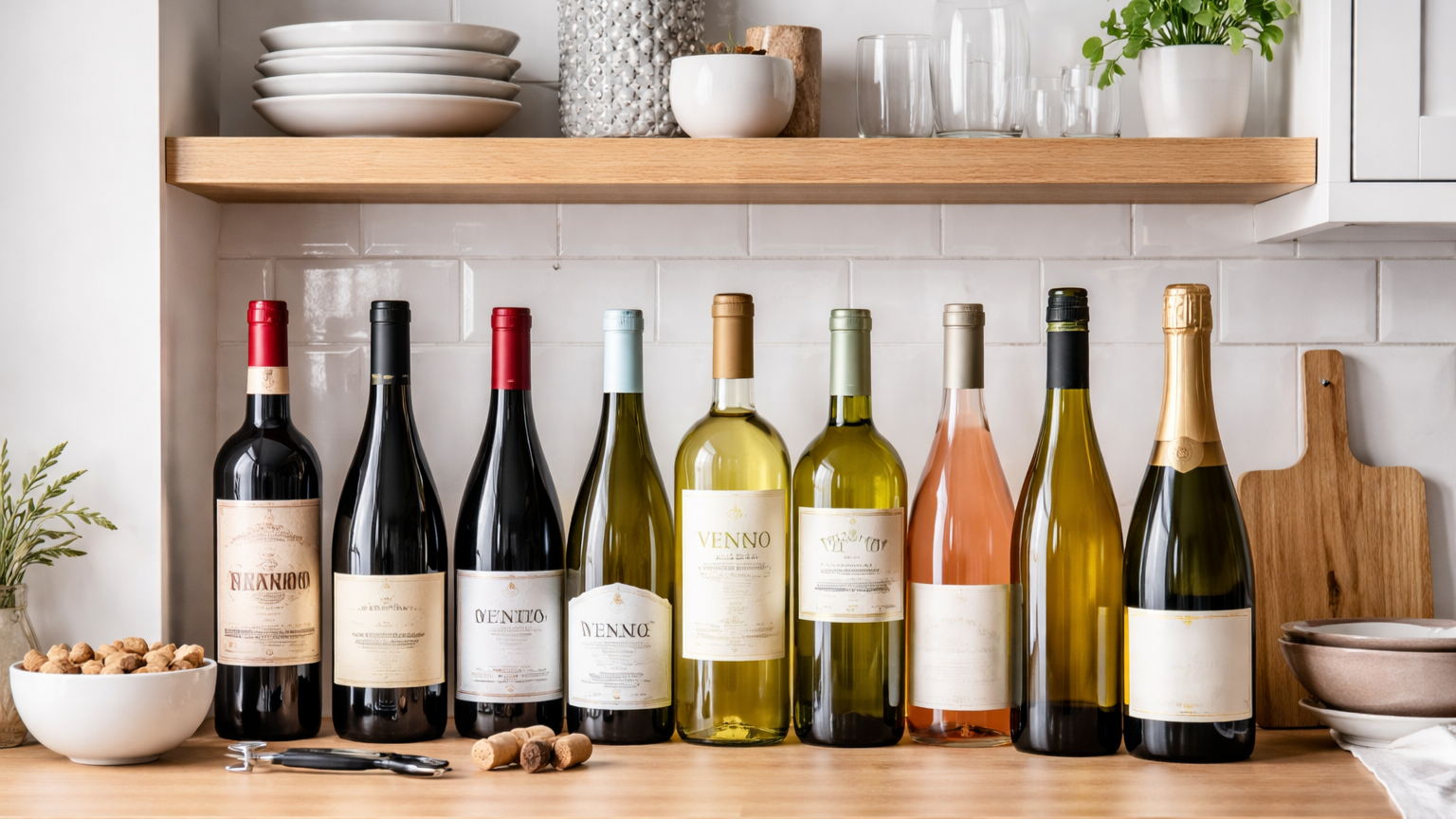
Starting a wine collection sounds more complicated than it actually is.
Most people assume it means expensive bottles, aging wine for years, or needing a dedicated cellar. In reality, a small home wine collection is simply a thoughtful rotation of bottles you enjoy and actually drink.
The goal isn’t to collect wine. It’s to make wine part of your home in a way that feels easy and natural.
Affiliate Disclosure: This post may contain affiliate links. As an Amazon Associate and through other affiliate programs, I earn from qualifying purchases at no additional cost to you.
In This Guide
• What a small wine collection actually means
• How to choose your “house wines”
• A simple system for building a collection
• How much to spend (without overdoing it)
• Where to buy wine without guessing
• Storage basics (without needing a wine fridge)
• Common mistakes to avoid
What a “Small Wine Collection” Actually Means
A small wine collection is not a cellar.
It’s typically:
• 6–24 bottles
• a mix of everyday wines and a few nicer bottles
• designed for drinking, not long-term investment
This is about having the right bottle on hand, not the most bottles.
Start With 2–3 “House Wines” You Actually Enjoy
Before you think about building a collection, you need a foundation.
These are your house wines. The bottles you open without overthinking on a weeknight.
A simple starting point:
• one red
• one white
• optional: one wildcard (rosé or sparkling)
How to Choose Your House Wines
Start with what you already like, then refine from there.
Look for wines that are:
• easy to enjoy
• versatile with food
• consistently available
If you want a reliable starting point, a few categories consistently overdeliver.
For whites, Vinho Verde is one of the easiest entry points. It’s light, fresh, slightly spritzy, and designed to be opened young.
On the red side, Chianti Classico is a strong option. It’s structured, food-friendly, and typically offers solid quality for the price.
These wines work because they’re not trying to impress you. They’re just easy to drink and easy to replace when you are running low.
Cabernet vs Merlot vs Red Blends (What to Know)
If you naturally reach for Cabernet Sauvignon, it helps to understand how the category behaves.
Cabernet is one of the most saturated categories on the shelf. At lower price points, that often means a lot of bulk production and less consistency or quality.
Merlot is different.
It’s typically less saturated, which means you can often find better quality at the same price. The profile is similar enough to Cabernet to feel familiar, but with more reliable value.
Red blends can offer good value, but the category is crowded, so quality varies widely.
There’s also a cultural reason Merlot gets overlooked.
After the 2004 release of the movie Sideways, Merlot saw a drop in popularity due to one widely misinterpreted expletive-laden line. Demand quickly shifted away from Merlot, while producers were left with plenty of Merlot still being grown.
That wine didn’t disappear.
A lot of it found its way into red blends, which is part of why that category expanded so quickly.
Ironically, many people who think they don’t like Merlot have probably been drinking it all along in ‘red blends’ without realizing it.
→ If you like Cabernet or red blends, there’s a good chance you’ll like Merlot on its own. Because of this, Merlot is often one of the best value plays on the shelf.
Set a Realistic Budget
House wines should feel easy to open, not like a decision.
A practical range:
• House wines → $12–$25
• Better bottles → $25–$50
• Occasional splurge → $50+
For reds, especially Cabernet Sauvignon, there’s often a noticeable jump in quality around the $30+ range. That’s typically where you start moving away from heavily mass-produced wines and into more focused styles.
That said, price alone doesn’t guarantee quality.
At lower price points, a lot of wine is produced at scale to hit a number, not a style. That’s where things can start to feel generic.
If you’re trying to get better value:
• look for less saturated categories (like Merlot instead of Cabernet)
• explore classic European styles that overdeliver for the price
• don’t default to the most recognizable name on the shelf
For whites, you can often find excellent options at slightly lower price points, especially in lighter, everyday styles.
Keep 2–4 Bottles On Hand
You don’t need a full rack.
Just enough so that:
• you’re not constantly running out
• you’re not buying randomly
This alone makes your wine habits feel more intentional.
Build the Rest of Your Collection With a Simple System
Once you have your house wines, you can start building a small collection around them.
A Simple Way to Build Your Collection: The Rule of Three
If you’re not sure where to start, use this:
• one bottle to drink on your own
• one bottle to share
• one bottle to save for later
That’s it.
This keeps your collection balanced without overthinking it.
Why This Works
Most people fall into one of two traps:
They either drink everything immediately
or save everything for a “special occasion” that never comes
This fixes both.
You always have:
• something to open tonight
• something to bring to dinner
• something to revisit later
How to Scale It
Start with 3 bottles.
Then expand to:
• 6 bottles
• 9 bottles
• 12 bottles
At 12 bottles, you already have a well-rounded home collection.
How to Keep Your Collection Balanced
The Rule of Three is a buying framework, not a strict inventory rule.
As you open bottles, your collection will naturally shift. That’s normal.
You don’t need to replace every bottle one for one, and you don’t need to keep the mix perfectly even at all times.
Instead, when you buy wine again, take a quick look at what you already have.
If your shelves are full of bottles you’ve been saving, buy something easy to open now. If you’ve been drinking through everything right away, add a bottle or two with a little more intention.
→ The goal is not perfect symmetry. It’s keeping a mix that fits how you actually drink, host, and save wine at home.
Over time, you’ll naturally cycle back into the rule of three without needing to track it.
How to Spend Your Budget
Think of your wine spending in layers:
• everyday house wines
• better bottles for weekends or dinners
• occasional splurges
If you want better value, look beyond the most in-demand regions.
Well-known regions often carry higher prices, even at entry levels. Exploring less saturated areas or classic European wines can give you better quality for the same price.
Where to Actually Buy Wine
Where you buy wine matters.
Grocery stores are convenient, but the selection is usually driven by scale.
Local wine shops are different.
The staff are typically tasting wines regularly and paying attention to new arrivals.
Don’t Overlook Your Local Wine Shop
A good bottle shop can change how you buy wine entirely.
Over time, they can:
• help you find better value bottles
• suggest alternatives based on your taste
• recommend new arrivals that fit your style
You can walk in and say:
“I’m looking for a good house red around $20”
…and actually get a useful answer.
Most Wine Isn’t Meant to Age
This is one of the biggest misconceptions.
Most modern day wines are designed to be enjoyed relatively soon.
When It Actually Makes Sense to Age Wine
Wines more likely to benefit from aging tend to be:
• higher quality tiers
• structured styles like Cabernet Sauvignon
• wines intended for aging by the producer
→ If you didn’t buy the bottle with aging in mind, you probably don’t need to age it.
Storage Basics (Without Overthinking It)
Wine is sensitive to:
• heat
• light
• temperature swings
But for a small home collection, storage doesn’t need to be complicated.
A cabinet, pantry, or closet away from heat works well.
For a deeper breakdown, see:
How to Store Wine Without a Wine Fridge
Do You Need a Wine Fridge?
Not to start.
House wines rotate quickly, so long-term storage isn’t a concern.
A wine fridge becomes useful when:
• you keep 12+ bottles regularly
• you want wine at ready-to-serve temperature
If that describes you, see:
What to Do With Open Bottles
Once opened, most wines last:
• 2–3 days with a stopper
• slightly longer if refrigerated
For better results, see:
The Best Wine Preservation Systems That Actually Work
Don’t Overbuild Your Collection
It’s easy to buy more wine than you need.
If you have more bottles than you realistically drink within a few weeks, you’re probably overbuying.
If you’re building a serious collection, that’s different.
But for most people, a smaller rotating selection works better.
Why This Approach Works
A good home wine collection isn’t about having the best bottles.
It’s about always having the right bottle.
FAQ
How many bottles should I start with?
Start with 3–6 bottles. Expand to 12 as you get more comfortable. Scale as needed from there to find your best fit.
Do I need a wine fridge?
No. Not unless you’re storing larger quantities, for longer periods of time, or want precise serving temperature control.
How much should I spend on wine?
Most people land between $12–$25 for everyday wines and $25–$50 for better bottles. But your personal budget will be the biggest determining factor.
Should I age wine at home?
Only if the wine is designed for it. Most wines are meant to be enjoyed within a few years.
Final Thought
Building a small wine collection doesn’t require expertise, a cellar, or a big budget.
It just requires a shift in how you buy wine.
Instead of grabbing a bottle for a single moment, you start thinking a step ahead. You keep a few reliable wines on hand, add a couple bottles with intention, and replace what you enjoy as you go.
Over time, that turns into a collection without ever feeling like one.
And that’s the point.
Wine should feel like part of your home, not something you’re saving for later.