Spring Wine Pairings That Actually Work (Brunch, Easter & Beyond)
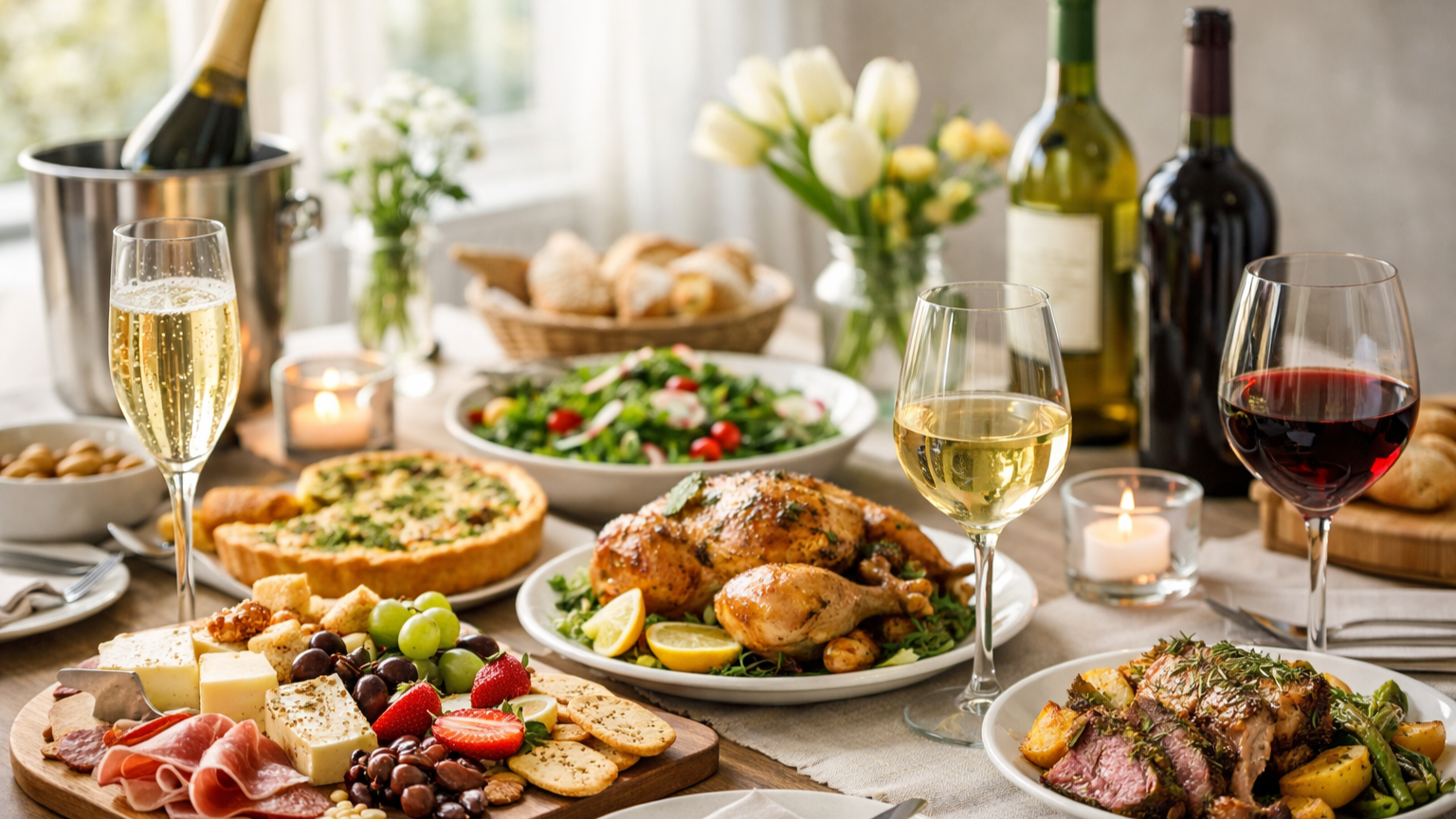
Spring meals are lighter, more varied, and honestly harder to pair than most people expect.
You’re not just dealing with one main dish. It’s a mix of fresh vegetables, herbs, rich sides, sweet elements, and often a few different courses all on the same table. Most wine advice oversimplifies this into “red or white,” which doesn’t really help.
This guide breaks down what actually works, whether you’re hosting brunch, planning Easter, or sitting down to a Passover meal. More importantly, it shows you how to think about pairing, so you’re not stuck memorizing rules.
Affiliate Disclosure: This post may contain affiliate links. As an Amazon Associate and through other affiliate programs, I earn from qualifying purchases at no additional cost to you.
How to Think About Wine Pairing (Without Memorizing Rules)
Before getting into specific dishes, this is the part that actually makes everything easier.
The 3 Things That Matter
1. Acidity (your reset button)
High-acid wines refresh your palate and cut through richness.
Think:
• creamy dishes
• eggs
• buttery foods
That’s why sparkling wine shows up so often, it keeps everything from feeling heavy.
2. Weight (don’t overpower the food)
Light dishes get lost next to big wines. Big wines overwhelm subtle food.
A simple rule:
• lighter food → lighter wine
• richer food → more structure and body
3. Flavor Direction (pair the dish, not the protein)
This is where most people go wrong.
Chicken isn’t just chicken.
Lamb isn’t just lamb.
It’s how it’s prepared:
• lemon + herbs → bright, fresh wines
• smoky + sweet (BBQ, glaze) → fruit-forward, softer wines
• spice or heat → lower tannin, sometimes a touch of sweetness
Pair the dish, not the protein.
→For a refresher on these terms, see our guide on Common Wine Terms Explained (without the Snobbery)
How to Tell If a Pairing Is Working
A good pairing usually does one of three things:
• Refreshes (acid cuts richness)
• Balances (sweet with sweet or acid with fat)
• Connects (shared or complementary flavors like herbs, fruit, spice)
If the wine tastes better after the food, and the food tastes better after the wine, you got it right.
→If you need a revisit on tasting, see our How to Taste Wine Like a Pro (Beginners Guide)
The Best Wines for Spring (Start Here)
If you want a simple starting point, these styles show up again and again for a reason:
• Sparkling (Champagne, Cava, Prosecco) → high acid: works with almost everything
• Sauvignon Blanc → bright and fresh: best with green, herb-driven dishes
• Chardonnay (balanced, not heavily oaked) → versatile with richer dishes
• Rosé → bridges the gap between white and red
• Pinot Noir / Grenache → lighter reds that don’t overpower the table
If you only serve one wine for a spring meal, make it sparkling. It quietly works with more dishes than anything else on the table.
Spring Pairing Cheat Sheet
| If the dish is... | Look for wines like... | Why it works |
|---|---|---|
| Rich & creamy | Sparkling, or brighter Chardonnay (Chablis or similar styles) | Acidity cuts through fat and keeps the palate from feeling heavy |
| Sweet (glazes, pastries) | Off-dry wines (Riesling, Moscato) | Matching sweetness prevents the wine from tasting sharp or thin |
| Herb-driven & green | Fresh, bright whites (Sauvignon Blanc, Grüner Veltliner) | Shared flavor profiles enhance freshness |
| Smoky & savory | Medium-bodied reds (Pinot Noir, Grenache) | Fruit and softness balance smoke without overpowering |
| Mixed / unsure | Sparkling wine | High acidity + versatility makes it work across most dishes |
Spring Brunch Pairings (The Everyday Use Case)
Eggs (Deviled, Scrambled, Quiche)
Eggs are richer than they seem:
• fat from yolk
• creaminess
• slight sulfur notes
That combination can flatten a lot of wines.
Sparkling works because the acidity cuts the richness, and the bubbles keep your palate fresh.
What to notice:
Take a bite, then a sip. The wine should feel brighter, not heavier. The richness fades quickly instead of lingering.
Smoked Salmon
This brings:
• salt
• fat
• smoke
You need acidity to cut the fat and a clean profile that doesn’t compete with the smoke.
Best choices:
• Champagne or other sparkling wine
• Chablis or a lean Chardonnay
What to notice:
The texture should feel lighter after a sip, and the wine should taste sharper and more refreshing than it did on its own.
Pastries, Pancakes & Sweet Brunch Dishes
Pastries are:
• sweet
• buttery
• often fruit-driven
Dry wines next to sweet food often taste thin and overly acidic.
Best choices:
• Off-dry Riesling
• Moscato
What to notice:
The wine shouldn’t taste sour after the food. Both should feel rounder and more balanced together.
Avocado Toast & Light Vegetable Dishes
These are:
• fresh
• green
• slightly rich
You want wines that match that freshness without overwhelming it.
Best choice:
• Sauvignon Blanc
What to notice:
The wine should amplify the freshness of the dish, not cover it up.
Classic Easter Pairings (Simplified)
Glazed Ham
This is:
• salty
• sweet
• often caramelized
Tannic reds can turn harsh next to sugar. Wines with acidity or a touch of sweetness work better.
Best choices:
• Dry rosé
• Dry Riesling
What to notice:
The salt makes the wine feel more vibrant, and the wine softens the sweetness instead of clashing with it.
Lamb (Often Herb-Crusted)
Lamb is usually:
• savory
• herb-driven
• sometimes slightly gamey
The herbs matter just as much as the meat. Wines with savory or earthy notes connect better.
Best choices:
• Syrah
• Bordeaux blends
• Grenache
What to notice:
The herbal notes should show up in both the food and the wine, making everything feel more integrated.
Spring Vegetables
Think:
• asparagus
• peas
• green herbs
These flavors are delicate and fresh, so heavy wines tend to overwhelm them.
Best choices:
• Sauvignon Blanc
• Grüner Veltliner
What to notice:
The dish should still taste vibrant, and the wine should feel crisp and clean alongside it.
Peeps and Chocolate Easter Bunnies
Peeps and milk chocolate are both very sweet, which makes wine pairing tricky. If the wine isn’t at least as sweet as the food, it will taste thin or sour.
Best choices:
• Moscato
• Off-dry Riesling
• Sweet sparkling wine
What to notice:
The wine should feel just as soft and sweet as the candy, not sharp or acidic. If the wine tastes tart or bitter after a bite, it’s not sweet enough.:
This is less about finding a “perfect pairing” and more about avoiding a bad one.
Passover Wine Pairings: What to Serve with Traditional Dishes
While sweet wines are traditional on many tables, dry wines are also commonly served and can pair beautifully with the meal.
For those observing kosher practices, look for kosher-certified wines within these styles.
Gefilte Fish
This is:
• mild
• slightly sweet
• delicate
You need something that doesn’t overwhelm it but still balances that subtle sweetness.
Best choices:
• Dry Riesling
• Pinot Gris
What to notice:
The wine should feel clean and balanced, not sharp or overpowering.
Charoset
This is:
• sweet
• spiced
• fruit-driven
Matching sweetness keeps the pairing from falling apart.
Best choices:
• Off-dry Riesling
• Moscato
What to notice:
The wine and food should feel harmonious instead of competing.
Matzah Ball Soup
This is:
• light
• brothy
• delicate
Big or highly aromatic wines can easily overpower a dish like this. The goal is to add freshness without pulling attention away from the soup.
Best choices:
• Unoaked or lightly oaked Chardonnay (including Chablis)
• Pinot Blanc
What to notice:
The wine should feel clean and refreshing, but the soup should still be the focus. If the wine starts to dominate, it’s too intense.
Roasted Vegetables
Often:
• caramelized
• herb-driven
• slightly sweet
Lighter reds work better than heavy, oaky styles.
Best choices:
• Pinot Noir
• Grenache
What to notice:
The wine should enhance the roasted, slightly sweet flavors without overpowering them.
These are flexible suggestions, not rules. Traditions and preferences vary, and the goal is simply to choose wines that work well with the meal.
Potato Kugel
Potato kugel is:
• rich and dense
• starchy
• often cooked with oil or animal fat
• crispy on top with a soft interior
This is a texture driven dish, so the goal is to cut through richness without adding more weight.
Best choices:
• Chablis, especially if the kugel is extra crispy or cooked in more oil
• Lightly oaked, rounder Chardonnay, if it’s softer and more casserole style,
What to notice:
The wine should clean up the richness instantly, making the next bite feel lighter. The crispy edges will taste more defined, and the dish won’t feel as heavy after each sip.
Brisket
Brisket is:
• slow cooked
• rich
• deeply savory
This is where structured reds actually make sense, but they shouldn’t be overly aggressive.
Best choices:
• Cabernet Sauvignon
• Merlot
What to notice:
The wine should feel smoother after the bite, with tannins softening and the fruit becoming more noticeable.
Desserts (Easter & Passover)
Dessert is where wine pairing gets easy. A simple rule to keep in mind: the wine should be at least as sweet as the dish. From there, it’s just about matching flavors and weight.
Fruit-based desserts → bright, lightly sweet wines
(Moscato, Riesling)
Think berries, citrus, or stone fruit. These wines mirror the freshness of the dessert without overwhelming it.
Nutty or honey-driven desserts → golden, layered styles
(Sauternes, Tawny Port)
Desserts with nuts, caramel, or honey pair well with wines that have similar warm, oxidative notes and a bit more weight.
Chocolate desserts → richer, sweeter reds
(Port, late harvest Zinfandel)
Chocolate calls for depth and sweetness. Dry red wine will feel harsh here, but a richer, slightly sweet red works effortlessly.
If you’re not sure what to pour, a lightly chilled Riesling or Moscato is a safe, crowd-friendly option that works across a wide range of desserts.
The Easiest Way to Cover the Whole Table
The 3-Bottle Strategy
If you don’t want to overthink it:
• 1 sparkling
• 1 white
• 1 red
That’s it.
• Sparkling → appetizers, eggs, lighter dishes
• White → vegetables, seafood, brunch
• Red → main course
This simple setup covers almost everything without needing a perfect pairing for every dish.
Common Spring Wine Pairing Mistakes
• Choosing wine based only on the protein
• Using heavy reds for everything
• Ignoring sweetness in the dish
• Skipping sparkling wine
The biggest mistake is ignoring everything else on the plate. Sides, sauces, and seasoning often shape the pairing just as much as the protein
FAQ
What wine goes best with ham?
Riesling or dry rosé. The acidity and slight sweetness balance the glaze.
Red or white for spring meals?
Both work. The key is matching weight and flavor, not color.
What wine is best for brunch?
Sparkling wine is the easiest answer. It works across a wide range of dishes and is always a crowd pleaser.
Can you serve just one wine?
Yes. Sparkling is your safest single-bottle option.
What wine pairs best with Peeps?
Demi-sec sparkling, Dolce sparkling, or a Moscato d’Asti. If the label says Brut, it’s too dry for Peeps.
What do I do with all the leftover, unfinished bottles after hosting?
See our guide on the best wine preservation systems here.
Final Thoughts
Spring meals aren’t about perfect pairings, they’re about balance.
If the wine makes the food feel fresher, lighter, or more enjoyable, you’re already getting it right.