What Is Sustainable Wine? A Clear Guide (Without the Marketing Noise)
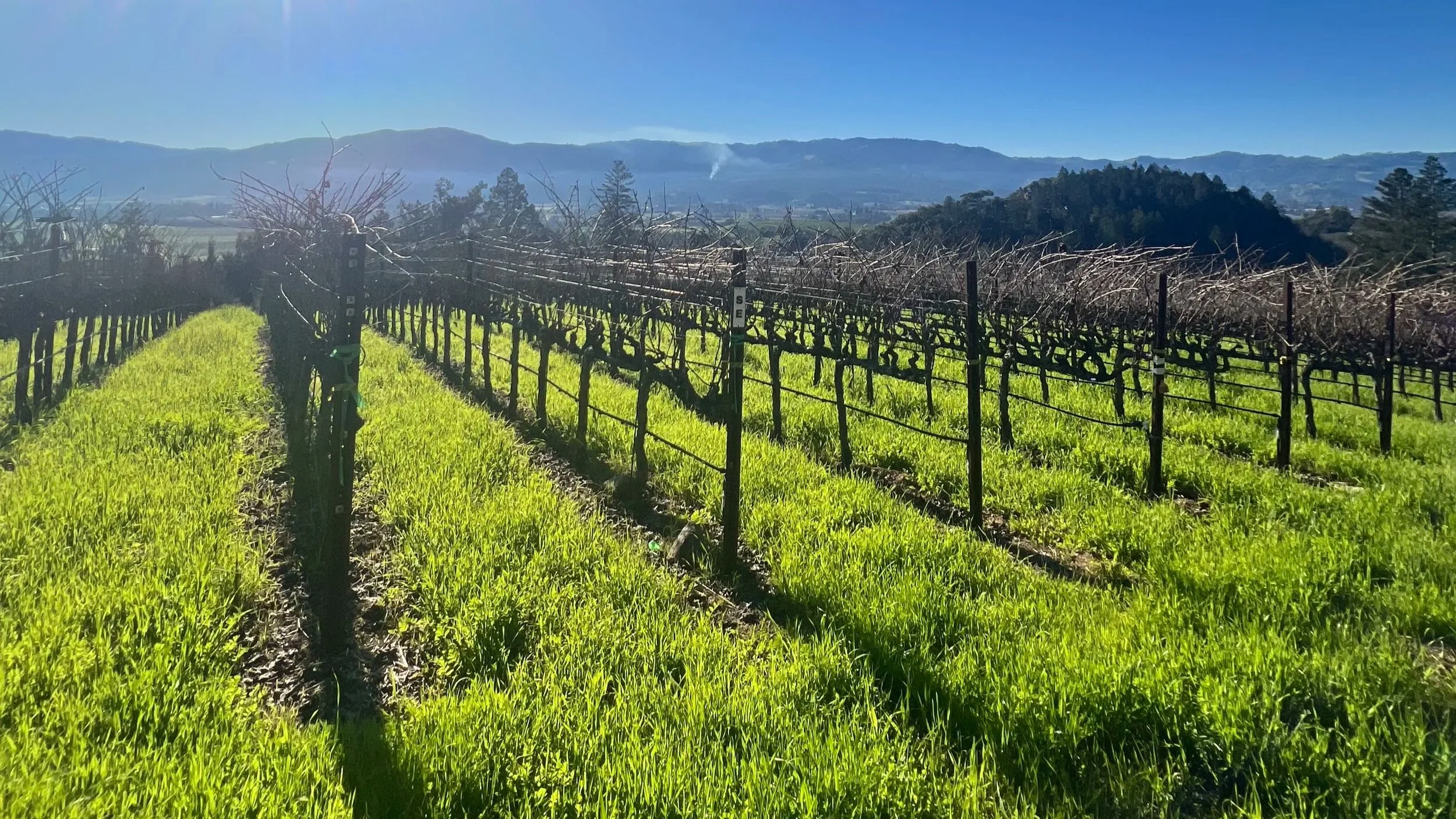
Winter vineyard in Napa Valley with established cover crops, a key part of modern sustainable farming practices.
Sustainability in wine is everywhere right now. Organic. Biodynamic. Clean wine. Low intervention. Natural. It can start to feel like you need a glossary just to buy a bottle.
With Earth Day this week, it felt like a good time to cut through the noise and talk about what sustainability in wine actually means.
The reality is much simpler. Most quality wine is already made with a level of care for the land, the process, and the final product. The difference is that not every producer chooses to market it.
This guide breaks down what sustainability actually looks like from vineyard to bottle, what matters, and what does not.
Affiliate Disclosure: This post may contain affiliate links. As an Amazon Associate and through other affiliate programs, I earn from qualifying purchases at no additional cost to you.
In This Guide
What sustainability actually means in wine
Vineyard practices that make a real impact
What happens at the winery level
Packaging decisions that matter more than you think
Certifications and how to read them
Organic vs sustainable vs “organic wine”
What “clean wine” actually means
How to choose better wine without overthinking it
What Actually Makes a Wine Sustainable
Soil Health and Farming Practices
Sustainability in wine starts in the vineyard.
Many producers are moving toward farming practices that focus on long term soil health rather than short term yield. That includes reducing synthetic inputs, moving away from herbicides like glyphosate, and using more natural systems to manage the vineyard.
You will see things like:
cover crops selected to replenish soil nutrients, improve soil structure, and attract beneficial insects and pollinators
sheep grazing for weed control instead of herbicides
composting in place of synthetic fertilizers
The specific mix of cover crops is often intentional. Different plants are used to support soil health, manage vine vigor, and create a more balanced vineyard ecosystem.
Water use is also a major factor, especially in California. Many growers are moving toward more efficient irrigation strategies or dry farming where the site allows it. Monitoring vine stress and dialing in water use is a big part of modern vineyard management.
Vineyard work is not just about what goes into the soil. Canopy management, how the vine grows and is exposed to sunlight, plays a major role in reducing disease pressure and limiting the need for intervention.
Most quality vineyards rely heavily on hand labor, from pruning to harvest. Machinery is still used where it makes sense, like tilling or certain vineyard passes, but many of the most important decisions are still made by hand.
Many vineyards also focus on biodiversity by maintaining native plants, encouraging beneficial insects, and using natural pest control methods like owl boxes to manage rodent populations. The goal is to let the vineyard ecosystem do more of the work and reduce reliance on chemical inputs.
Even small operational choices matter. Reducing tractor passes when possible can help limit soil compaction and fuel use, although some mechanical work is still part of most vineyard programs.
At the end of the day, wine is agriculture. Weather, site conditions, and disease pressure all influence how a vineyard is farmed in any given year.
What About Biodynamic Farming?
Biodynamic farming is often mentioned alongside organic and sustainable wine, but it is a more specific approach.
It includes organic farming practices, along with a structured set of guidelines focused on soil health, composting, and overall vineyard balance. Many producers who follow biodynamic principles place a strong emphasis on long term vineyard health and working in rhythm with the site.
Some aspects are more philosophical in nature, including practices tied to lunar cycles and the four classical elements, often referred to as Fruit, Root, Flower, and Leaf Days. These calendar-based systems are sometimes used to guide vineyard work, like planting or harvesting, and even suggest ideal times for tasting wine based on the lunar cycle.
Some aspects admittedly can sound a bit ‘abstract’, but many of the world’s top producers follow biodynamic practices and the results speak for themselves.
In practice, biodynamic vineyards are often very thoughtfully farmed, with a strong focus on soil vitality and ecosystem health.
At the same time, many of the tangible benefits associated with biodynamic wine, like healthier soils and reduced chemical inputs, can also be achieved through well managed sustainable or organic farming.
Biodynamic certification, such as Demeter, is one way to identify it, but it is not the only path to responsible farming.
Winery-Level Sustainability
Once grapes are harvested, sustainability continues at the winery.
Many producers are investing in systems that reduce long term impact, including:
water reclamation systems to reuse process water
solar power to offset energy use
more efficient production and storage setups
These are not always visible on the label, but they are a major part of how wineries operate today.
From a production standpoint, these decisions are always a balance. Protecting the wine, preserving quality, and reducing impact all have to work together.
From Wine to Bottle: Packaging Decisions
Packaging is one of the most overlooked parts of sustainability in wine.
For years, heavier bottles were associated with higher quality. That perception still exists, which is why change has been slow. But more quality focused producers are moving toward lighter weight glass.
It does not change the wine. It reduces shipping weight, energy use, and overall environmental impact.
Transportation is a significant part of wine’s footprint, which makes this shift more important than it seems.

Traditional cork harvesting in Portugal. The bark is sustainably removed by hand and naturally regenerates in a 9 year cycle.
Cork vs Screwcap
Closures matter as well.
Natural cork has strong sustainability advantages. It is harvested from cork oak bark roughly every nine years without cutting down the tree. Cork forests absorb carbon, and most cork production facilities have uses down the line for all material ‘waste’ after the cork stopper (think cork boards, flooring, etc). Many are also moving toward renewable energy like solar.
Screwcaps are recyclable, but aluminum production is energy intensive.
From a sustainability standpoint, cork remains one of the more renewable options available.
Certifications
If you are scanning a label, you may see certifications or logos like:
Napa Green
California Sustainable Winegrowing Alliance
SIP Certified
LIVE Certified
Demeter
Certification programs are useful because they create a clear, verified standard and are easy to spot on a label.
At the same time, certification requires time and cost. Not every responsible producer chooses to pursue it. Many vineyards follow similar practices without carrying a formal certification, but it does take a little more homework on the consumer’s end to identify them.
Organic vs Sustainable vs “Organic Wine”
Organic Farming vs Organic Wine
This is where things get confusing.
Organic farming focuses on how grapes are grown. It avoids synthetic pesticides and herbicides and is widely used by quality producers.
Organic wine, as a labeled category, follows stricter rules. In the United States, that often means little to no added sulfites.
Many of the best wineries farm organically but do not label their wines as organic. They still use small, controlled amounts of sulfites to maintain stability and consistency.
What About Natural Wine?
Natural wine is often grouped into the same conversation, but it is less defined than organic or biodynamic.
There is no formal standard or certification. In general, it refers to wines made with minimal intervention, native fermentation, and little to no additives.
In practice, that can range widely.
Some natural wines are clean, expressive, and well made. Others can be more variable or unstable depending on how they are produced and handled.
Minimal intervention does not automatically mean better wine. Thoughtful decisions in the winery are often what keep a wine balanced, stable, and true to style.
Many quality producers use a low intervention approach while still making controlled decisions where needed. That balance tends to produce more consistent results.
Sulfites, Explained Without the Noise
Sulfites are one of the most misunderstood parts of wine.
They are naturally produced during fermentation. They are also used in small amounts to prevent spoilage and oxidation.
True sulfite allergies are very rare. Modern research continues to support that sulfites are not the main cause of most wine related sensitivities.
Most wine headaches are more likely linked to alcohol itself, dehydration, or individual sensitivity to compounds like histamines, rather than sulfites specifically.
Wines with no added sulfites can be less stable, which is why they sometimes taste inconsistent or unpredictable.
Sulfites are not the enemy. They are what keep wine clean, stable, and age worthy.
The Big Misconception
You do not need to seek out organic wine or no sulfite wines to drink responsibly from a sustainability standpoint.
Many of those wines prioritize ideology over consistency.
The reality is that many high quality producers farm responsibly, use modern sustainability practices, and still make clean, consistent, well structured wines.
Minimal intervention does not automatically mean better wine. Thoughtful intervention is often what keeps a wine true to style.
What “Clean Wine” Actually Means
“Clean wine” is not a regulated term. It does not have a defined meaning in winemaking.
Most thoughtfully made wine is already clean. It is fermented grape juice, handled with the goal of being stable, balanced, and free of flaws.
Where it gets murky is in how the term is used.
When a wine is heavily marketed as clean, it is often paired with messaging around low sulfites, no additives, or better for you claims. The implication is that other wines are somehow less pure, which is not how winemaking works.
The same goes for sugar. Many clean wine brands highlight low or no sugar, but most dry wines already contain very little residual sugar. It is not a unique feature. It is the baseline.
“Clean wine” is more of a marketing term than a winemaking one.
Additives do exist in wine, but there’s a difference between standard tools and heavy-handed manipulation. Small adjustments, like acid or sulfites, are used to maintain balance and stability.
In quality winemaking, those decisions are measured and intentional, not a way to mask the wine itself.
That is why this conversation is less about labels and more about producers.
The best approach is to find wineries you trust and understand how they work. That’s the goal of this site, to help you understand what to look for so you can make better decisions without overthinking it.
What Actually Matters Most
Not all sustainability decisions carry the same weight.
Farming practices and packaging tend to have the biggest impact. Labels and buzzwords matter far less.
Sustainability in wine is not binary. It is not organic or not. It is a spectrum of decisions across farming, water use, energy, and packaging.
Some of the most responsibly made wines do not carry any certification at all.
These decisions can also change year to year. Wine is tied to weather and growing conditions, so even the same producer may adjust their approach depending on the vintage.
Sustainable practices do not automatically mean expensive wine. Many producers build these decisions into their process rather than positioning them as a premium feature.
How to Choose More Sustainable Wine
Let’s keep this simple.
Look for certifications like California Sustainable Winegrowing Alliance or Napa Green on the back label
Do not get stuck on whether a wine is labeled organic
Notice lighter weight bottles when possible
Pay attention to producers that are consistent in how they farm, produce, and talk about their wine year to year.
Support wineries that are transparent about how they farm and produce
You do not need to decode every detail to make a good choice. A few consistent signals go a long way.
Frequently Asked Questions
Is biodynamic wine better than regular wine?
Not necessarily. Biodynamic farming is one approach to sustainability, but it is not the only one. Many high quality wines are made using sustainable practices without being biodynamic.
Are sulfites bad for you?
For most people, no. Sulfites are naturally present in wine and used in small amounts for stability. True sulfite allergies are very rare.
Is organic wine healthier?
Not in a meaningful way for most consumers. The bigger difference is in farming practices, not in how the wine affects you.
Are lighter bottles lower quality?
No. Lighter bottles are often a sign that a producer is reducing environmental impact. The weight of the bottle does not determine the quality of the wine.
Is “clean wine” actually cleaner?
Not really. Most quality wine is already made with minimal, controlled inputs. The term is more about marketing than production.
Final Take
You do not need to chase labels or trends to drink responsibly.
Most quality wine is already made with thoughtful decisions behind it. If you focus on producers who care about how they farm, how they produce, and how they package their wine, you are already on the right track.