10 Wine Storage Mistakes Most People Make (And How to Avoid Them)
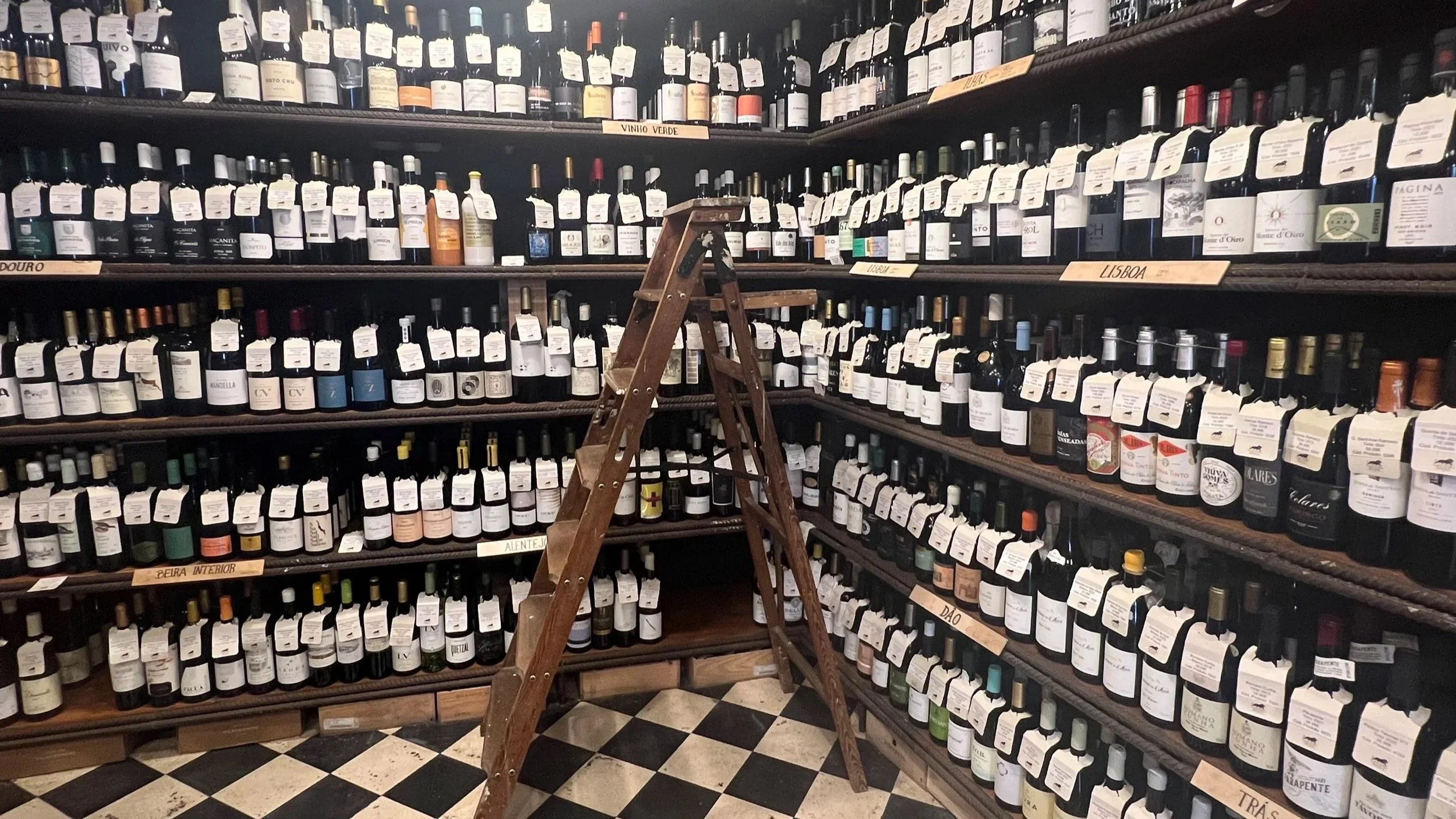
Bottles displayed upright in a wine shop. Retail storage is designed for visibility and quick turnover, while long-term storage at home follows slightly different rules.
Wine may seem sturdy sitting on a shelf, but it’s actually sensitive to its environment. Heat, light, oxygen, and time all influence how a bottle develops.
Heat speeds up the chemical reactions that occur as wine ages. Light can break down delicate aroma compounds. Oxygen slowly passes through the closure over time, which is part of how wine naturally matures, but increasing that exposure can cause a wine to age faster than intended. And simply holding onto bottles too long can cause wines to fade past their best drinking window.
Most wines don’t need a cellar or elaborate storage system, but a few common mistakes can quietly shorten their lifespan or change how they taste.
Here are the most common wine storage mistakes and how to avoid them.
Affiliate Disclosure: This post may contain affiliate links. As an Amazon Associate and through other affiliate programs, I earn from qualifying purchases at no additional cost to you.
Quick Wine Storage Rules
Wine stays healthiest when four things are controlled.
Heat
Speeds up aging and can create cooked or stewed fruit flavors.
Light
UV light can break down delicate aromas and make wine smell dull.
Oxygen
Too much air exposure can lead to oxidized flavors like bruised apple or nuts.
Time
Most wines taste best within a few years of release.
Mistake 1: Leaving Bottles Upright Too Long
Most cork sealed wines benefit from being stored horizontally. When a bottle lies on its side, the wine keeps the cork slightly moist.
If a cork dries out over time, small amounts of air can enter the bottle. That extra oxygen can cause the wine to lose freshness and develop oxidized flavors.
For beginners, oxidation often shows up as aromas similar to bruised apple, nuts, or slightly stale fruit rather than fresh fruit.
Better option
Store cork sealed wines horizontally so the cork remains hydrated and sealed.
Mistake 2: Storing Wine Near Strong Odors
Natural cork is slightly porous. Over long periods it allows tiny amounts of air exchange, which is part of how wine ages slowly in bottle.
The downside is that strong environmental odors can sometimes migrate through the cork.
Wine stored near things like cleaning chemicals, paint, gasoline, or strong pantry foods may slowly absorb subtle off aromas.
Instead of clean fruit aromas, the wine may develop musty, chemical, or pantry-like notes.
Better option
Keep wine stored away from strong smelling materials or chemicals.
Mistake 3: Storing Wine Near a Window
Direct sunlight can damage wine in two ways.
First, ultraviolet light can break down delicate aroma compounds. This process, sometimes called light strike, can make wine smell muted or stale.
Second, sunlight warms bottles quickly. That added heat can speed up aging and affect flavor.
Instead of fresh fruit aromas, wines exposed to heat may start to smell jammy or cooked, similar to fruit that has been simmered into jam rather than fresh berries.
Better option
Store wine somewhere shaded and away from direct sunlight.
Mistake 4: Storing Wine on Top of the Refrigerator
The top of a refrigerator is one of the warmest places in most kitchens. Heat from the compressor rises upward and the appliance creates small vibrations while running.
Over time that combination can accelerate aging and cause wines to lose their bright fruit character.
Instead of clear fruit aromas, the wine may taste duller or less expressive, meaning the flavors are harder to detect.
Better option
Keep wine stored away from appliances that produce heat or vibration.
Mistake 5: Storing Wine in the Kitchen Near Heat
Kitchens experience frequent temperature changes from ovens, stovetops, and dishwashers.
Repeated warming and cooling cycles can slowly stress wine and reduce aromatic freshness.
Instead of vibrant fruit aromas, wines stored in fluctuating heat may develop heavier or slightly cooked fruit notes.
Better option
If wine must be stored in the kitchen, keep it inside cabinets away from heat sources.
Mistake 6: Storing Wine in the Garage
Garages often experience the largest temperature extremes in a home.
In many parts of the United States, garage temperatures can well exceed 100°F in summer and drop dramatically in winter.
Extended heat exposure can noticeably change how a wine tastes. Instead of fresh fruit flavors, overheated wines often show flat, stewed, or cooked fruit aromas. As those fresh fruit notes fade, other underlying flavors can become more noticeable, sometimes coming across as tomato paste, tomato leaf, or cooked vegetable.
In extreme cases the liquid expands and may push the cork upward or cause wine seepage around the closure.
Better option
Store wine inside the home where temperatures remain more stable.
Mistake 7: Large Temperature Swings
Wine prefers consistency more than a perfect temperature.
As wine warms and cools, the liquid expands and contracts. Over time this movement can pull small amounts of air past the cork.
That extra oxygen exposure can cause wine to age faster and gradually lose its brightness.
In wine tasting, brightness refers to lively, fresh flavors such as crisp apple, citrus, or vibrant berries. When brightness fades, wines may taste dull or flat.
Better option
Choose a storage location where temperatures remain relatively stable.
Mistake 8: Long Term Storage in a Refrigerator
Standard refrigerators are colder and drier than ideal for long term wine storage.
Over time this environment can dry out corks and keep wines too cold to express their aromas.
When wine is very cold, many aroma compounds stay trapped in the liquid instead of evaporating into the air. As a result, the wine may seem less open, meaning the aromas are harder to smell.
Instead of clearly smelling berries, citrus, flowers, or spice, the wine may seem almost neutral at first.
As the wine warms slightly in the glass, those aromas usually become easier to detect.
Better option
Standard refrigerators are fine for short term chilling before serving, but they are not ideal for long term storage.
Mistake 9: Poor Bottle Organization
One of the easiest ways wine gets wasted is simply by being forgotten.
When bottles are stacked randomly in cabinets or pushed to the back of shelves, it becomes difficult to remember what you have and when it was purchased.
Even wines stored in good conditions can decline if they sit untouched for too long.
Instead of tasting fresh and balanced, wines that sit past their peak often show faded fruit flavors and muted aromas.
Better option
Organize bottles so they are easy to see and rotate. Many people group wines by purchase date or by everyday drinking versus special bottles.
Mistake 10: Saving Wine Too Long
A common misconception is that all wine improves with age. In reality, most wines are meant to be enjoyed relatively young.
Many everyday wines are best within three to five years of release. Holding them longer can cause fruit flavors to fade.
Instead of vibrant fruit, the wine may start to taste earthy or tired, meaning the fruit fades and more subtle flavors like dry leaves, mushrooms, or muted wood notes become noticeable.
When Longer Aging Makes Sense
Some wines are designed to age longer because they contain the structure needed to evolve slowly.
Wines that often age well tend to have:
• higher tannin
• higher acidity
• greater concentration
Examples often include Cabernet Sauvignon, Barolo, and Bordeaux style blends..
If you are unfamiliar with these terms, they are explained in more detail in our guide to common wine terminology explained.
Signs Your Wine Was Stored Poorly
Sometimes storage problems only become obvious after the bottle is opened.
A wine that experienced poor storage conditions may show signs such as:
• Flat or muted aromas
• Cooked or jammy fruit flavors instead of fresh fruit
• Brownish color in wines that should be bright
• Cork pushing upward or leaking wine
While these wines are usually still safe to drink, their flavors may not reflect how the wine originally tasted.
Simple Ways to Organize Wine at Home
Simple racks can help keep bottles organized and stored horizontally.
Stackable Wine Rack
• Capacity: 12+ bottles
• Design: Metal, multiple color options
• Best for: Expandable storage
Decorative Counter Top Wine Rack
• Capacity: 5 bottles
• Design: Metal, multiple color and design options
• Best for: Compact kitchens
Frequently Asked Questions
Does wine need to be stored horizontally?
Cork sealed wines benefit from horizontal storage so the cork stays moist. Screw cap bottles can be stored upright without concern.
What temperature is best for storing wine?
Wine stores best between about 50°F and 65°F, but stability matters more than hitting an exact number.
Is a wine fridge necessary?
Not always. Many homes have closets or cabinets that stay cool and stable enough for short to medium term storage.